Is Sweden Expensive To Visit?
Sweden has a reputation for high prices, but a visit can be shaped to almost any budget. Here is what actually costs money in Stockholm and how a guided bike tour fits the maths.
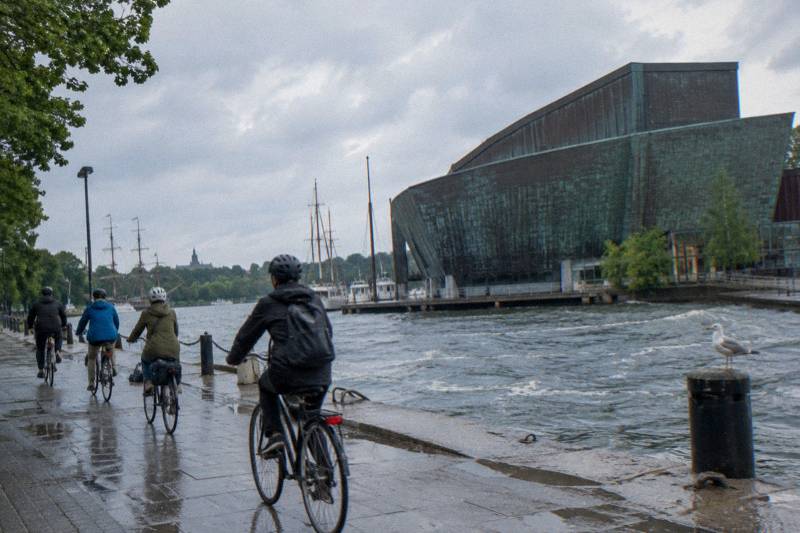
Sweden is more expensive than most of Europe, but a visit is far from unaffordable, and the expensive parts are easy to plan around. Restaurants and hotels carry the reputation, while the things many travelers come for, the islands, the roughly 1,170 km of cycle routes and the outdoor city itself, cost little or nothing. A guided bike tour is a good example: one known price covers the bike, the guide and the route.
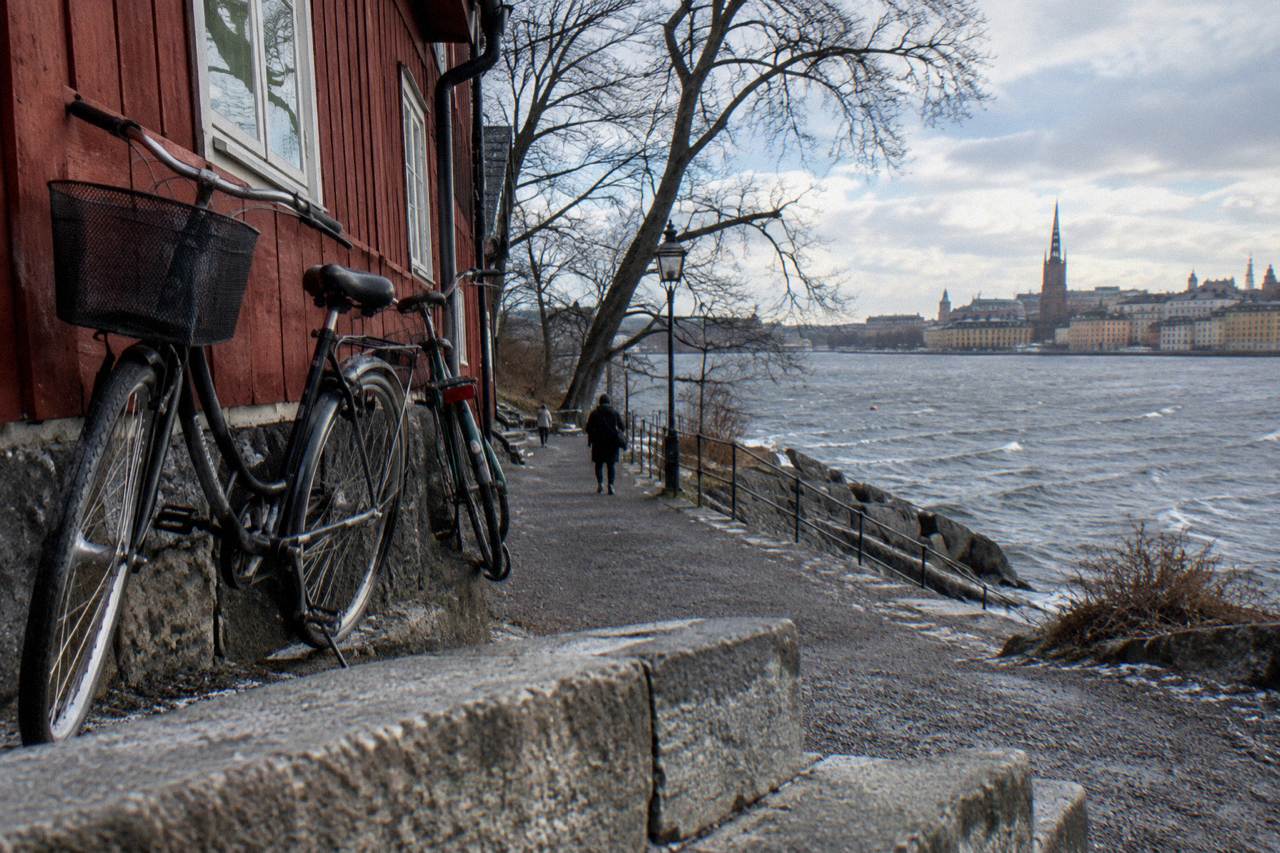
The honest answer starts with what "expensive" is measured against. Compared with Southern Europe, Swedish restaurants and hotels sit at the top end of most travelers' budgets, and there is no point pretending otherwise. But the classic Sweden experience is largely an outdoor one, and outdoor Stockholm is generous. The city holds about 117 mil, roughly 1,170 km, of cycle routes according to the city's own cycling pages, and riding them is free. Djurgården's royal parkland is free to roll through. Gamla Stan's streets cost nothing at walking pace. The krona prices that shock visitors tend to be sit-down meals, hotel rooms and alcohol, not the city itself.
There is a useful mental model for the whole question. Sweden is expensive per transaction on some categories and remarkably cheap per hour on others. A hotel night is one expensive transaction. A day spent riding between islands, picnicking in a royal park and crossing the water by commuter ferry is a cheap day by the hour, because nearly every ingredient is free. Travelers who structure their trip around the second kind of day routinely report spending less in Stockholm than in cheaper capitals where every activity carries a ticket.
What surprises many first-time visitors is how much of the budget question is a transport question. Stockholm spreads across fourteen islands, and the temptation is to buy transit tickets, hop-on-hop-off passes and museum entries to stitch it together. A bicycle replaces a surprising amount of that stitching. One practical option is the Stockholm at a Glance Bike Tour, a 2 to 3 hour shared ride that puts the city's outline in front of you on day one, with the bike and guide included in a single price on the booking page. You can also check availability if you want the current price directly.
If comparing options is your way of budgeting, these three tours show the spread of formats and prices in the city.
The Wooden Bicycle Tour is a 2 hour classic ride with a twist in the equipment, the Guided Bike Tour runs 2 to 3 hours as a shared classic tour, and the E-Bike City Tour covers 2 hours 30 minutes on pedal-assist bikes. Prices for each are stated on their booking pages, and all three include the bike for the duration. This site, Stockholm Bike Tours, exists precisely because the bike is one of the few tools that makes Sweden feel less expensive: it converts the costliest part of a visit, moving between islands, into something close to free.
What Does A Guided Bike Tour Actually Cost?
A guided bike tour in Stockholm is one of the few predictable line items in a Swedish travel budget: a single price on the booking page covers the bike, the guide and a set route of roughly 2 to 5 hours depending on the tour. Private formats cost more, and one forest tour adds a sauna and homemade lunch. No verified figure beyond the booking page exists for these listings, so treat the printed price as the price.
The value question matters more than the sticker question here. In a city where a sit-down dinner can quietly outprice an afternoon activity, a guided ride bundles several things you would otherwise pay for separately: the bicycle itself, a route someone has already designed, and a guide who can explain what you are rolling past. The guided bike tour and the at-a-glance format both deliver that bundle in 2 to 3 hours, which is short enough to leave the afternoon free.
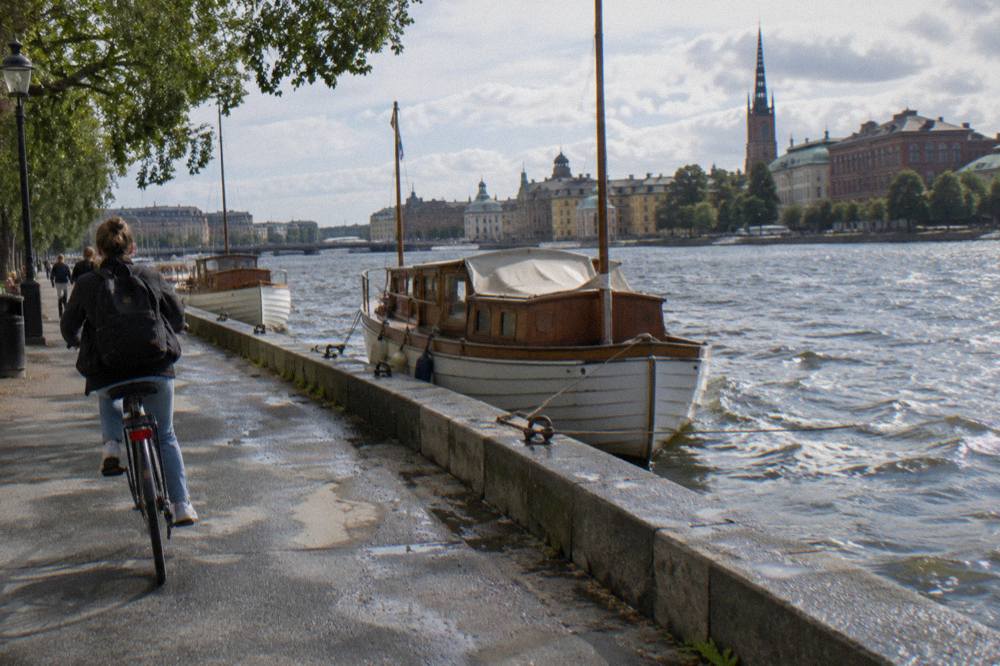
There is also a hidden saving that never shows up in a price comparison: guided routes exist because someone already did the reconnaissance. A first-time visitor riding alone spends time and money on wrong turns, closed paths and dead ends at bridges, and in a city of islands those mistakes cost real minutes. The Riddarholmen canal cycle path, for instance, was closed for widening works for more than a year before reopening early in April 2026, two months ahead of schedule. A guide knows the current state of the bridges and quays; a map app often does not.
The table below shows the six guided rides and what each format offers. Durations and formats come from the tour details; where a price or rating is not published here, the booking page is the source of truth, and you should read it there rather than trust a third-party summary.
| Tour | Duration | Format | Bike | Price basis |
|---|---|---|---|---|
| Stockholm at a Glance Bike Tour | 2 to 3 hours | Shared | Classic | Per person, price on the booking page |
| The Wooden Bicycle Tour in Stockholm | 2 hours | Shared | Wooden-frame bikes | Per person, price on the booking page |
| Bike Tour Stockholm | 3 hours | Shared | Classic | Per person, price on the booking page |
| Stockholm E-Bike City Tour | 2 hours 30 minutes | Shared | E-bike | Per person, price on the booking page |
| Stockholm 3-Hour Private Guided Bike Tour | 3 hours | Private | Classic | Per group, price on the booking page |
| Forest Bike Tour with Sauna and Homemade Lunch | 5 hours | Shared | Fat bike | Per person, price on the booking page |
Two patterns are worth noticing. The private 3-hour tour buys you the group to yourself, which families and small friend groups often find worth it once the per-person maths is done on the booking page. The forest tour is the outlier at 5 hours, and it is really a full Swedish day rather than a tour: riding, sauna and a homemade lunch folded into one price, which in a country where restaurant meals are the budget killer is a quieter bargain than it first looks.
A word on price basis, because it is where comparisons go wrong. Every tour in the table above is priced per person except the private tour, which is priced per group, and that matters when you stack a private format against a shared one. A per-group price looks large until you divide it; a per-person price looks small until you multiply it by four. Read the basis line on the booking page before deciding that one tour is expensive and another is not.
Should You Book A Tour Or Just Rent A Bike?
Renting is cheaper per day and works if you already know where you want to ride; a guided tour is better value on a first visit because the guide, the route and the bike arrive as one package. Rental prices in Stockholm vary by shop and season, and no verified figure can be printed here, so compare the shop's own page before deciding.
The deciding factor is usually time, not money. A rider with three days can rent once and explore at leisure. A rider with one day in Stockholm gets more from a guided 2 to 3 hour loop than from an hour spent orienting a rental bike, and the at-a-glance tour in particular is built exactly for that one-day visitor. The deeper comparison, including where to rent and what the rules require, is covered in the guide to choosing rental or a guided ride.
It is also worth knowing that the rental landscape itself shifted recently. Stockholm's old docked public bike-share scheme ended years ago, and in December 2025 Voi and Bolt were announced as the operators of the city's shared bicycle service. Shared e-bikes are convenient but they are pay-per-use, not free, and per-minute prices are not printed here. For a full day of riding, a tour or a traditional rental usually beats a per-minute app on cost, though the exact crossover depends on rates you should confirm in the app or at the shop.
Is A Short Tour Enough To Justify The Price?
If the price of a tour feels hard to judge against an unknown city, the honest answer is that the short formats are designed exactly for that judgment call. A 2 hour ride, like the Wooden Bicycle Tour, gives you the equipment, a guide and a loop of the city for a single per-person price on the booking page. Not sure it fits your dates?
The booking page shows live dates and current prices, and tours of this kind can usually be cancelled free up to a set window before departure, so checking costs nothing. If a guided format is not your style, the same article on self-guided bike tours in Sweden covers the plan-it-yourself alternative.
Where Does The Money Actually Go On A Stockholm Day?
Meals, hotel rooms and alcohol are the expensive lines in Sweden; sightseeing, cycling and the islands are comparatively cheap. The cycle network is free to ride, the royal park on Djurgården costs nothing to roll through, and the Djurgården ferry takes bikes at no extra charge subject to space. Museums and Skansen do charge entry, and no entry price is printed here.
Start with the free layer, because it is unusually thick. Gamla Stan's streets are free to wander, and they are best experienced at walking pace anyway, since the inner streets are pedestrian streets where cycles must give way to people on foot. Djurgården's parkland is free and recommended by the city's own visitor information for exploring by bicycle. The cycle network itself, all 1,170 km of it, carries no fee, and the city sweeps and salts a large share of it in winter to keep it usable, a point the regional traffic operator makes in its autumn guidance to keep cycling through the darker months.
The rules in the old town actually work in a budget traveler's favor, odd as that sounds. Because cycles must move at walking pace on Gamla Stan's pedestrian streets and yield to everyone on foot, the district naturally slows you into the cheapest kind of sightseeing there is. You are not paying to pass through; you are simply there, at the speed the buildings deserve. New seating and greenery were installed at Stortorget in November 2026, part of a city project to make the square more pleasant to linger in, which is a free upgrade to anyone's afternoon.
The ferry detail is one of Stockholm's quiet budget wins. The Djurgården ferry is a regular public transit service, and the operator's rules state clearly that it costs nothing extra to bring a bike on the commuter ferries, always subject to space and staff judgment. That single rule turns the ferry into a free bike bridge between the old town and the island of museums, which is exactly the kind of thing that makes a day plan cheaper. The full logistics are laid out in the piece on taking a bike on the Djurgården ferry.
The paid layer is where Sweden earns its reputation. Museum entries, sit-down restaurants, hotel rooms and drinks are the lines that add up fastest, and none of those prices are verified here, so check each venue directly. One honest framing: many visitors spend more on one dinner than on an entire afternoon guided ride, and remember the ride better.
For travelers who want the paid layer to feel worthwhile, the 3 hour Bike Tour Stockholm is a classic shared ride that spends its full duration on the city's streets, and the details and price sit on its booking page.
The listing has only a few reviews so far; its duration and format are on the booking page.
Does The Season Change What Sweden Costs?
Yes, but less than in most capitals, because Sweden's headline attractions are outdoors and free. The costs that swing with season are hotels and package prices, and Sweden's cycling weather runs usefully long: normals show May to September averaging daytime highs from 16.5 C to 23.6 C, with the driest months in late winter and spring.
The climate table below, from the standard 1991 to 2020 normals for Stockholm, explains why the season matters for a bike-based visit. June delivers about 18.5 hours of daylight per day, which is effectively two sightseeing days in one. July is the warmest month with an average high of 23.6 C. February through April are the driest, with 27 to 30 mm of precipitation on average, and April's average high of 10.7 C is already ridable for anyone dressed for it.
| Month | Avg high C | Avg low C | Precip mm | Daylight hours per day |
|---|---|---|---|---|
| April | 10.7 | 2.6 | 29.2 | 14.5 |
| May | 16.5 | 7.1 | 34.0 | 17.0 |
| June | 20.8 | 11.6 | 61.7 | 18.5 |
| July | 23.6 | 14.8 | 61.5 | 17.7 |
| August | 22.1 | 14.2 | 66.2 | 15.5 |
| September | 16.6 | 10.2 | 53.3 | 12.8 |
These are averages, not forecasts, and the wettest single month is August at 66.2 mm on average, so a summer visit can still meet rain. The practical read is that the expensive high-season hotel window, mid-June to mid-August, overlaps almost exactly with the warmest and brightest weather, which is why it is expensive. Shoulder months trade some warmth for lower demand, and the normals suggest April, May and September remain perfectly comfortable on a bike with ordinary layers, a tradeoff examined in more depth in the guide to the best time of year to cycle in Stockholm.
Daylight is the quiet half of the value equation. In June the sun stays up long enough that one accommodation night buys you two full activity blocks, morning and evening, at no extra cost. By November the day has shortened to under nine hours of daylight, so the same night effectively buys one block. That invisible ratio, more than any menu price, is what makes early summer feel expensive and worth it, and why shoulder-season travelers should plan their outdoor hours around the middle of the day.
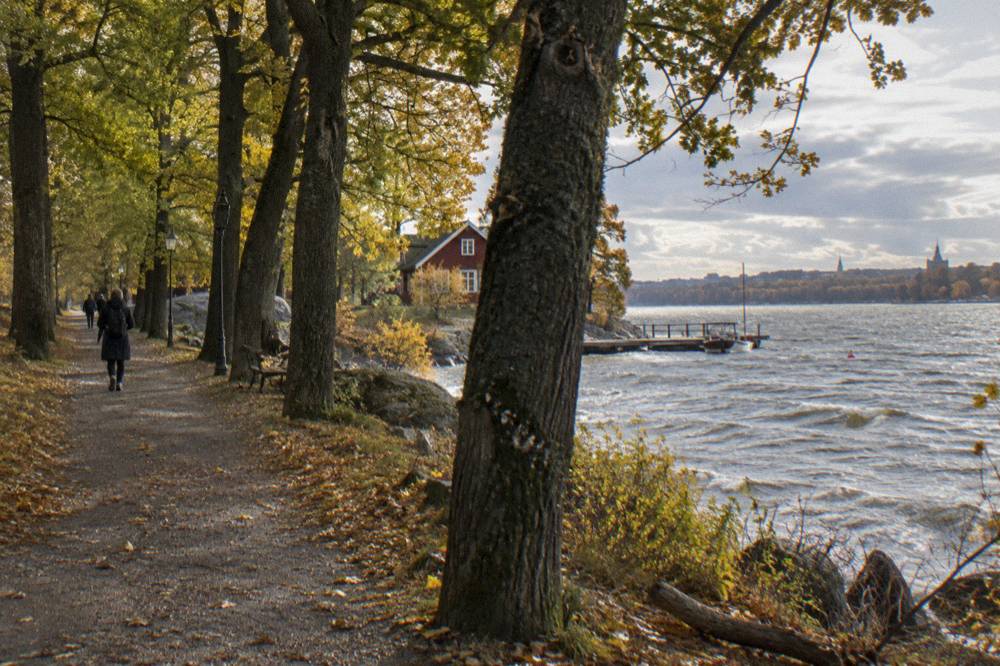
Season also touches the tour calendar rather than just the price tag. Some guided rides run year-round, and winter riding is genuinely viable in Stockholm because the city maintains its commuter cycle routes through snow and cold; the traffic operator has said publicly that cycling continues through the darker months with swept and salted paths. Riders who come between November and March should simply check the booking page for winter departures and gear such as studded tires, which some operators provide.
How Do You Keep A Sweden Trip Affordable?
Spend on structure and let the city be the entertainment: book one guided tour early to learn the geography, ride the free cycle network afterward, eat one memorable sit-down meal rather than three forgettable ones, and use the commuter ferries as moving sightseeing. Sweden punishes improvisation and rewards a plan.
The single most effective move is front-loading orientation. A 2 to 3 hour guided ride on day one, like the at-a-glance format or the shared guided tour, teaches you which islands connect where and which distances are actually walkable or ridable. After that, the roughly 1,170 km network is yours at zero cost. It is the difference between a trip where every movement is a ticket and a trip where most movements are a pedal stroke. Weather planning helps too: the guide on what to wear on a Stockholm bike tour keeps one bad-weather day from becoming a lost day.
A few concrete habits do most of the work:
| Habit | Why it saves money | Effort |
|---|---|---|
| Book one guided ride on day one | Replaces transit passes and hop-on-hop-off tickets with orientation and a bike | Low |
| Ride the free cycle network after the tour | The 1,170 km network carries no fee | None |
| Use the commuter ferries with the bike | Bikes ride at no extra charge subject to space | Low |
| Walk Gamla Stan at walking pace | The old town's core is free, and cycling rules require walking pace there anyway | None |
| Limit paid entries to the museums you truly want | Museum entries add up fastest after meals | Medium |
Notice what is absent from that table: nothing in it depends on a krona figure. The savings come from structure, and structure is free. That is the deepest answer to the question this article asks. Sweden's expensive reputation is earned by categories where the country genuinely prices high, but the levers that control a travel budget, transport choices, timing and how much of the city you experience outdoors, are all in the visitor's hands before a single charge is made.
The e-bike question deserves a line in any budget discussion, because it changes who can ride rather than what riding costs. The E-Bike City Tour, 2 hours 30 minutes on pedal-assist bikes, is the e-bike option in this comparison, and the price difference against a classic tour is a booking-page detail rather than a rule. For travelers who worry about distance or hills, the assisted option can be the difference between one tour and no tour. The tradeoffs between formats are compared in the guide on e-bike or classic bikes for a Stockholm tour.
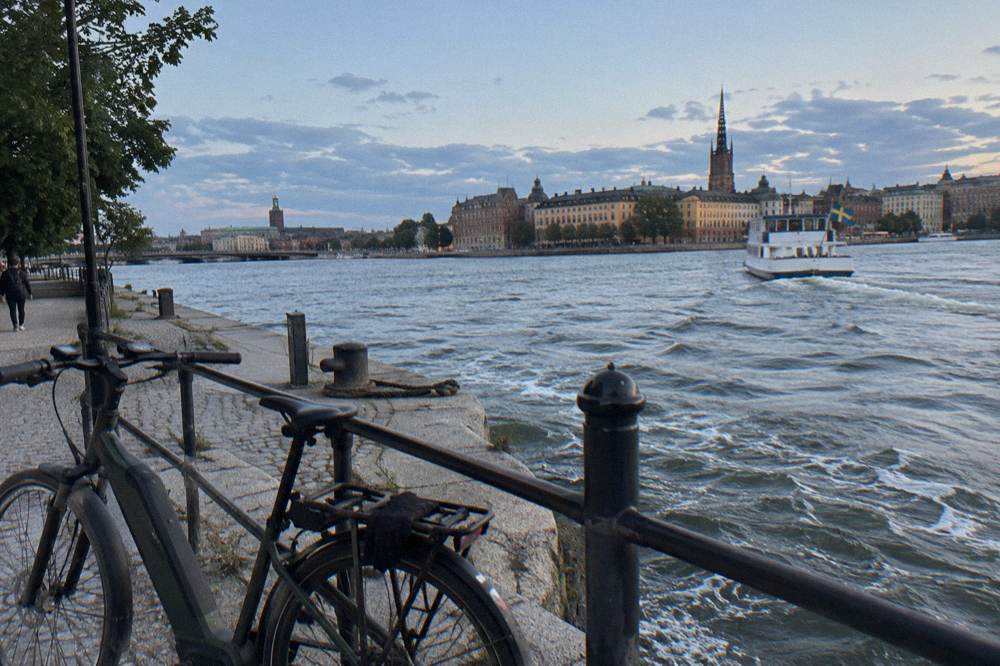
For travelers whose budget has room for one big day, the 5 hour Forest Bike Tour with Sauna and Homemade Lunch is the clearest example of bundled value among Stockholm's guided rides: riding, sauna and lunch in a single per-person price, which removes the usual restaurant decision from the day entirely. Winter versions of the same idea exist in the city, and the details and price sit on the booking page.
Whichever format fits, the underlying logic of an affordable Sweden visit is the same: this is a city built to be seen from a saddle and a ferry deck, and the parts built for that purpose are the parts that cost the least.
Before the practical questions, here again are the three tours that best show the price and format spread for a Stockholm visit.
Common Questions About Sweden Travel Costs
Is Sweden Expensive To Visit?
Sweden is expensive by European standards for hotels, restaurants and alcohol, but the core experience of Stockholm, its islands, roughly 1,170 km of cycle routes and outdoor parkland, is free or nearly free. A trip can be shaped to almost any budget by planning around the free layer and spending deliberately on the paid one.
How Much Does A Guided Bike Tour In Stockholm Cost?
Each tour's price is stated per person on its booking page, and the roster spans roughly 2 to 5 hours, from short classic city rides to a 5 hour forest day with sauna and homemade lunch. No price is printed here because the booking page is the accurate source at the moment you book.
What Is The Cheapest Way To Get Around Stockholm?
On a bicycle. The cycle network is free to ride, the commuter ferries take bikes at no extra charge subject to space, and Gamla Stan and Djurgården are best experienced slowly anyway. Shared e-bikes from Voi and Bolt exist but are not free, and per-minute prices are not published here.
When Is Sweden Most Expensive To Visit?
Mid-June to mid-August overlaps the warmest weather and longest daylight, so hotels and package prices peak then. The 1991 to 2020 normals show April, May and September with average highs of 10.7 C to 16.6 C, making the shoulder months a lower-cost but still ridable alternative.
Can You Visit Djurgården For Free?
The royal parkland itself is free to explore, and cycling it is recommended in the city's own visitor information. Museums and Skansen on the island charge entry, and those prices are not printed here, so check each venue directly.
Is A Private Bike Tour Worth The Money In Sweden?
A private tour, such as the 3 hour private guided format, costs more but gives you the guide alone, which suits families and small groups. Whether it beats a shared tour depends on group size and the per-person price on the booking page, not on any fixed rule.