Is Copenhagen Or Stockholm Nicer?
A side by side look at two Scandinavian capitals, what each does best, and why Stockholm rewards travellers who bring a bike.
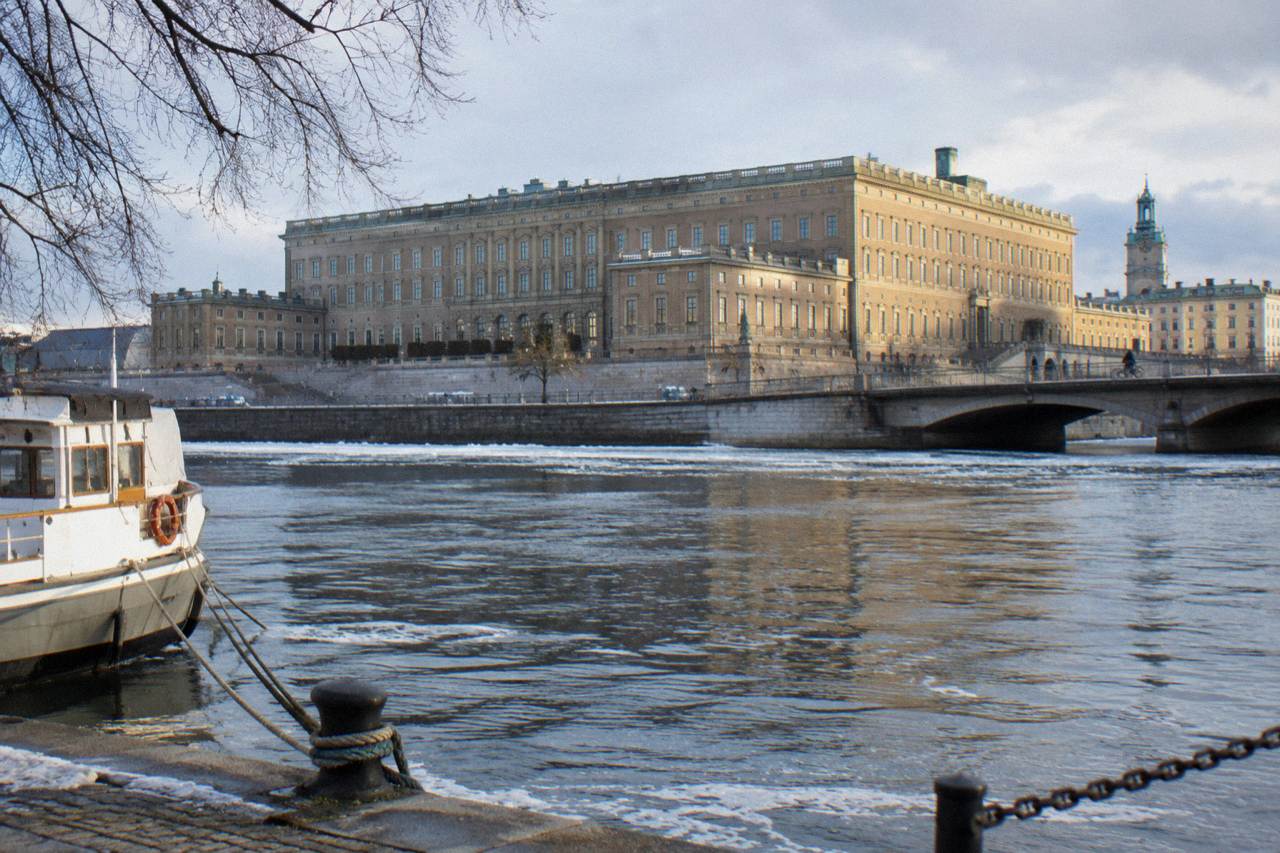
Neither city is objectively nicer, and any article that crowns one as fact is guessing. Copenhagen reads as compact, design-led and famously flat for cycling. Stockholm reads as wilder and more spread out, a city built on fourteen islands where the Baltic, the royal parks and the archipelago sit minutes from the old town. The honest answer depends on what you want from a short trip.
Travellers ask this question constantly, usually while planning a first Scandinavian visit and realizing the two capitals are close enough to combine. They share a design culture, a love of coffee, long summer evenings and short winter days, and prices that surprise visitors from further south. What separates them is structure. Copenhagen is a single large core you can cross on a bike in under an hour. Stockholm is an archipelago city, its neighbourhoods separated by water, stitched together by bridges and ferries, and it rewards a visitor who moves between the islands rather than staying in one of them.
What follows is a look at how the two cities feel on the ground, street by street, and where a bike fits into each., the Swedish transport authorities and national weather normals. For Copenhagen, this article stays deliberately general, because a fair comparison does not need to stack one city's statistics against another's. What follows instead is a look at how the two cities feel, how they compare for cycling, what a Stockholm visit costs and when to go, and a closing read on which traveller fits which city.
If your instinct after reading this leans toward Stockholm, the fastest way to test the comparison is from a saddle. A guided ride such as the Stockholm Guided Bike Tour covers the island-hopping core of the city in a single 2 to 3 hour loop, with a guide handling the route between Gamla Stan, Södermalm and Djurgården. Two other formats suit different travellers: the assisted option for anyone who wants the hills softened, and a premium-bike version for riders who care about the machine under them.
What Kind Of City Each One Feels Like
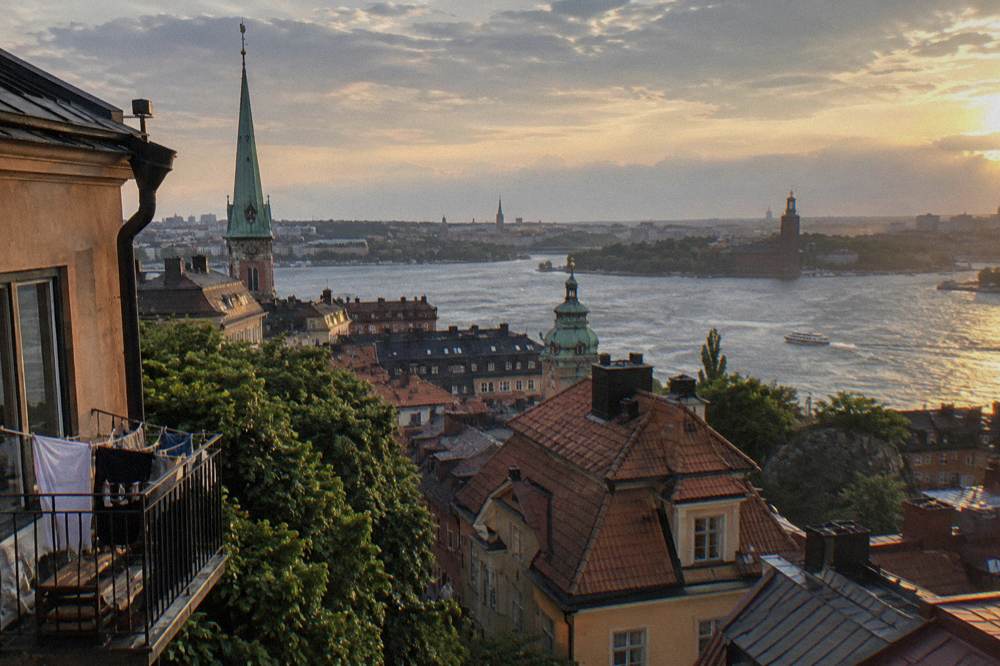
Copenhagen feels like one continuous, walkable core built at human scale, with a harbour that has been turned into swimming water and a design scene that shapes everything from chairs to street signs. Stockholm feels bigger and more layered: a medieval island old town, a palace, a green royal island of museums, and residential islands each with their own character, all connected by bridges, metro lines and boats.
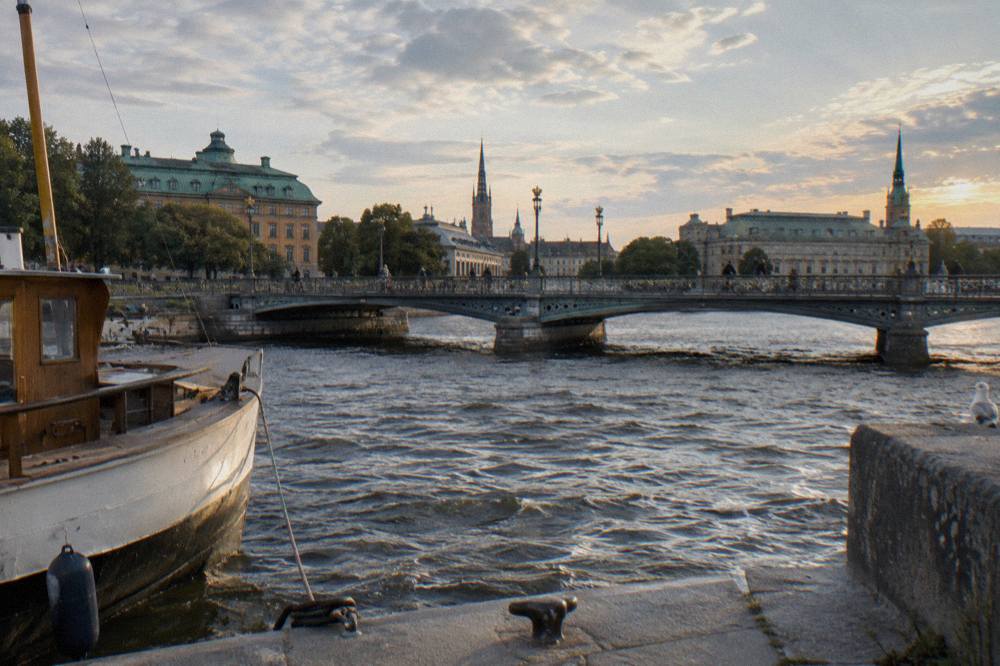
Neither description is a criticism. Copenhagen's compactness is a genuine strength for a weekend: the distances are short, the street life concentrates, and the harbour baths put summer swimming in the middle of the city. Stockholm's spread is its own strength. Gamla Stan's pedestrian streets, Djurgården's parkland and Södermalm's viewpoints are distinct worlds, and moving between them by bike or ferry is itself part of the experience. The city's inner parts of Gamla Stan are pedestrian streets where cycles travel at walking pace and give way to pedestrians, per the city's traffic rules, which keeps the old town calm even in peak season.
The neighbourhood layer deserves its own sentence or two, because it is where the two cities diverge most in feel. In Copenhagen the distinct quarters sit close enough that a morning walk can brush several of them. In Stockholm each island has a personality that survives the weekend crowds: Södermalm carries the viewpoint parks and the independent shops, Kungsholmen wraps a calm waterfront walk around residential blocks, and Djurgården is almost entirely park and museums, closed to most through vehicle traffic at the height of summer. Djurgårdsbommen and Vasabommen on Djurgården were closed to most vehicles on summer days and weekend periods from late April to late September 2026, with exceptions for buses, taxis and permit holders, which leaves the island unusually quiet for a capital-city attraction zone.
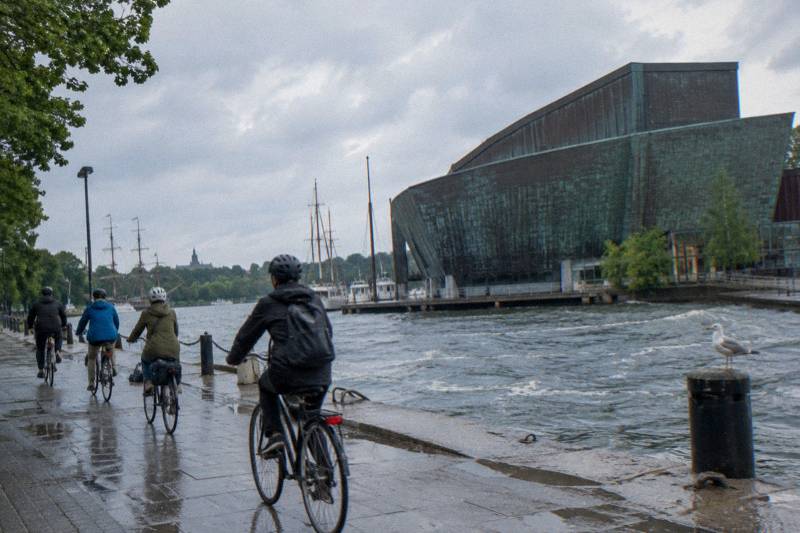
Stockholm also carries a physical reminder that it sits where a lake meets the sea. The archipelago begins almost at the city edge, and ferries run to islands that feel a world away from the capital. Copenhagen has its own waterfront life, but the sense of wilderness on the doorstep, forested islands and naked granite within a short ride of the centre, is the more Stockholm thing.
Culture and pace tilt differently too. Copenhagen's public life concentrates around its food halls, its waterfront and its design institutions, and a visitor can absorb the core of it in two unhurried days. Stockholm's equivalent experiences are spread wider: the Vasa Museum's recovered warship on Djurgården, Fotografiska on Södermalm, which is currently running exhibitions into 2027, and the palace district on Gamla Stan each demand their own block of time. Neither approach is better. But a traveller who dislikes transit, or who wants everything within a walk, will feel the difference within a day of arriving.
For a sense of scale from the cycling side, Stockholm lists roughly 117 mil, about 1,170 km, of cycle routes on the city's own cycle network page, including dedicated lanes, combined pedestrian and cycle paths, and bike lanes on roads. That is a network built for a city spread across water, not a compact grid.
How The Two Cities Compare For Cycling
Both capitals are serious cycling cities by world standards, and both are safe and predictable for a confident adult rider. Copenhagen is flatter and more uniform, with cycle tracks running beside nearly every main street. Stockholm is hillier and more fragmented by water, but its traffic is calm, its key tourist islands are connected by low-traffic routes, and its guided bike tours exist precisely to bridge the gaps a first-time visitor would not plan around alone.
This is the comparison where travellers expect a knockout, and it never quite delivers one. Copenhagen's reputation as a cycling capital is deserved and well known: the layout is flat, the infrastructure is uniform, and riding there feels frictionless almost immediately. Stockholm cannot match that uniformity, but it does something different. The riding here is varied, from waterfront promenades to forest trails on the royal park island, and the city keeps improving the network. A new northbound cycle lane on Vasabron opened in June 2026, replacing a narrow two-way lane, as part of a continuous central route, and 2.5 m wide lanes opened on Sveavägen in May 2026.
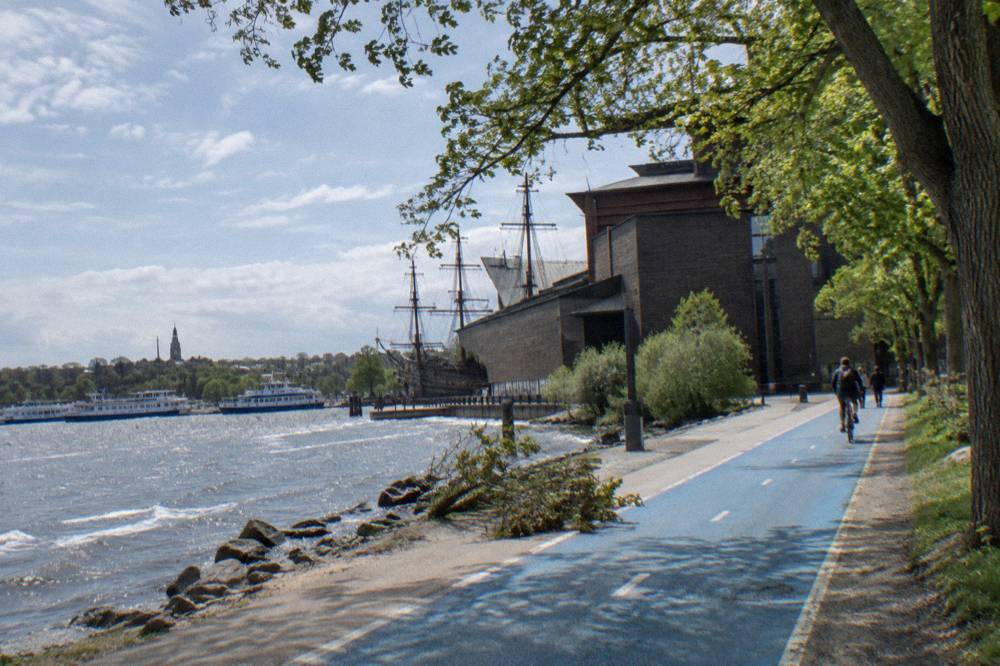
The rules a visitor actually needs are simple and official. Helmets are mandatory only for riders under 15, and a bell and working brakes are required at all times, while lights are required only in darkness, according to the Swedish Transport Agency. Fines exist for riding on sidewalks, exceeding walking pace on pedestrian streets, and running red lights. Full detail is in our guide to Stockholm cycling rules, and a plain summary sits below.
| Stockholm cycling rule | What applies | Where it bites a visitor |
|---|---|---|
| Helmet | Mandatory under 15 only | Families with children |
| Bell and brakes | Always required | Rental bikes |
| Lights | Darkness only | November to February rides |
| Pedestrian streets | Walking pace, yield to pedestrians | Gamla Stan's inner streets |
| E-bikes | Count as bikes up to 25 km/h and 250 W | Anyone renting an e-bike |
One Stockholm difference worth planning around is transport. Bikes are never allowed on SL buses, the metro or the inner-city trams, though they are permitted on some rail lines outside rush hours and on the Djurgården ferry at no extra charge, subject to space, per SL's own rules. In Copenhagen you would rarely need to combine a bike with transit in the first place. In Stockholm, mixing a bike ride with a ferry crossing, across to Djurgården say, is one of the best days the city offers. Our ferry and bike combination piece covers it.
Winter riding is the part of the comparison few visitors expect. Stockholm's cycling year does not stop at the first frost: the city sweeps and salts its cycle network through the dark months, more than 36 mil of cycle infrastructure maintained for bare-ground conditions down to around minus 6 C, according to the city's traffic information service. That means a November or February visit can still include riding, with lights and layers, on clear main routes. Side paths and park trails are a different matter and should be judged on the day. Copenhagen winters are milder on average, but both cities treat winter cycling as normal life rather than an extreme sport.
If the comparison matters to you specifically because you travel by bike, the format choice in Stockholm matters more than the city choice. The guided classic tour handles route-finding across the bridges. The e-bike version, 2 hours 30 minutes, suits anyone who wants the hills between islands to cost less effort; check the booking page for the current price. And the premium-bike version, 3 hours, is for riders who want a better machine and a longer loop.
What A Stockholm Visit Actually Costs And How To Time It
A Stockholm visit is not cheap, but the free layer is unusually thick: the cycle network costs nothing to ride, Djurgården's royal park is free to cycle through, and the ferry to Djurgården takes bikes at no extra charge. Guided bike tours list their prices on the booking page; the main paid items are museums, food and accommodation. The best months for a first visit are late May to early September.
Scandinavia's cost reputation is earned, and Sweden sits firmly in the expensive band. But the comparison with Copenhagen on price is closer than people expect, and in both cities the outdoor layer is the cheap layer. In Stockholm the attractions that define the city, water, bridges, viewpoints, parkland, are free. Skansen and the Vasa Museum are not free, and their entry prices should be checked directly with each museum. Shared e-bikes from Voi and Bolt, announced as the city's shared bicycle operators in December 2025, are convenient but not free.
Food and drink deserve honest budgeting in both capitals. A sit-down dinner in central Stockholm carries capital-city prices, and alcohol in Sweden is further shaped by the state monopoly on retail sales, which pushes restaurant drink prices up. The everyday workarounds are good ones: lunch specials, bakery counters, food halls and the coffee culture, which in Sweden comes with the ritual of fika, a seated coffee and pastry break that most cafés handle beautifully at modest cost. None of this is cheaper than eating at home. All of it is cheaper than the assumption that every meal must be a restaurant event.
Timing matters more in Stockholm than in most capitals because the seasonal swing is dramatic. The national weather normals for 1991 to 2020 put July as the warmest month, with an average high around 23.6 C and daylight still over 17 hours a day, while January averages a high of 1.0 C with about 7 hours of daylight. June gives the longest days at roughly 18.5 hours. June through August also carry the most rain, 61 to 66 mm per month on average, so a summer ride and a shower often share a day. The shoulder window of May and September is the quiet compromise: highs of 16 to 17 C, thinner crowds, and daylight from about 12 to 17 hours. Our month by month Stockholm weather guide has the full table.
For season-bound decisions, the practical summary is straightforward. Late May to early September for the classic visit. April and October for cool-weather riders who pack layers. November through February for a museum-led city break with short days, where the Vasa Museum's new Vasa Walk audio guide, launched in late October 2026, crosses Djurgården and ends on Beckholmen, and Skansen's Christmas market opens 27 November 2026, running Fridays to Sundays until 20 December.
| Period | Avg high | Daylight hours | Best for |
|---|---|---|---|
| May | 16.5 C | 17.0 | Shoulder season riding |
| July | 23.6 C | 17.7 | Warm days, longest light |
| September | 16.6 C | 12.8 | Quiet paths, mild air |
| November | 5.4 C | 7.7 | Museums, Christmas lead-in |
One seasonal warning worth its own paragraph: do not dismiss Stockholm's autumn and winter outright. The dark months flip the city's character rather than closing it. The Christmas market at Skansen, the late-opening photography exhibitions on Södermalm and the salted commuter cycle routes make a November weekend a real proposition, just a different one from a July island-hopping day. Travellers comparing Copenhagen and Stockholm on summer impressions alone are comparing only half of each city.
Which Suits You Better: Copenhagen Or Stockholm?
Choose Copenhagen for a compact first Nordic city break: one central base, short distances, flat riding, and design and food within a walkable core. Choose Stockholm for water, scale and variety: island-hopping by bike and ferry, a medieval old town, a green museum island, and an archipelago at the edge of the city. Both are safe, expensive and rewarding; the honest tiebreaker is whether your ideal day is concentrated or spread across water.
A useful test is the day you would describe to friends afterwards. If it is a morning in one neighbourhood, lunch, an afternoon in another and a swim in the harbour, Copenhagen's shape fits it. If it is a bike over bridges, a ferry crossing, a forest trail and a viewpoint, all in one day, that is a Stockholm day, and it is why Stockholm Bike Tours exists as a site at all: the city's best version of itself is spread out, and two wheels plus a boat is the efficient way to collect it.
Traveller type sharpens the answer further. Families with young children often find Copenhagen's flatness and short hops easier with a trailer or child seat, though note that in Sweden helmets are mandatory for under-15s, so a Stockholm family ride simply needs the right rental gear. Photographers and slow travellers tend to fall for Stockholm, where the water doubles every viewpoint and the light in June lingers past a reasonable dinner. Design devotees and food-first visitors often give Copenhagen the edge on concentration: more of what they came for, per kilometre walked. Solo travellers genuinely thrive in both, which is perhaps why this question never dies.
The premium-bike city tour, 3 hours on higher-spec machines, is the format for riders whose perfect day is exactly that loop, and its price and meeting point are on the booking page.
There is also a lazy option that is genuinely not lazy: visit both. The two capitals are a short hop apart by air or train, and travellers who do both consistently report the same thing, that each city makes more sense after seeing the other. Copenhagen shows you the compact Nordic ideal. Stockholm shows you what happens when that same culture is scattered across an island world. Deciding which is nicer becomes much easier once you have felt both, and much less important.
One last practical note whichever you pick: both cities reward booking core activities ahead in summer, and both punish anyone who tries to see everything in a weekend. Pick two or three anchors per city. In Stockholm, a guided bike loop, one museum island morning and a ferry ride at sunset is a defensible shortlist.
Common Questions About Copenhagen Or Stockholm
Is Copenhagen Or Stockholm Nicer?
Neither is objectively nicer. Copenhagen suits a compact, design-led city break with flat, uniform cycling. Stockholm suits travellers who want water, islands, parkland and variety, with a bike and ferry combination as the best way to see it.
Which City Is Better For Cycling, Copenhagen Or Stockholm?
Both are strong cycling cities. Copenhagen is flatter and more uniform, with cycle tracks on most main streets. Stockholm is hillier and split by water, but calm to ride, with about 1,170 km of cycle routes and guided tours that handle the route-finding between islands.
Is Stockholm More Expensive Than Copenhagen?
Both sit in the same expensive Scandinavian band. In Stockholm the free layer is thick: the cycle network, the royal park on Djurgården and Gamla Stan's streets cost nothing, and bikes ride the Djurgården ferry at no extra charge subject to space. Museums, food and accommodation are the main costs.
How Many Days Do You Need In Stockholm?
Three days covers a guided bike loop, one museum morning on Djurgården, a wander through Gamla Stan and a ferry crossing. Two days works if you skip the museum island; five lets you add an archipelago day trip.
When Is The Best Time To Visit Stockholm?
Late May to early September, when average highs run from about 16 to 24 C and daylight reaches 17 to 18 hours. May and September are quieter; June through August are warmest but carry the most rain, 61 to 66 mm per month on average.
Can You Visit Both Copenhagen And Stockholm On One Trip?
Yes, and it is a popular pairing. The two capitals are a short hop apart by train or air, and seeing both makes the comparison concrete: Copenhagen's compact core against Stockholm's spread of islands.