Can You Cycle The Stockholm Archipelago Trail?
Yes, with limits: the Stockholm archipelago is reachable by ferry with a bike, and the rules are simple once you know them. Here is how the day works.
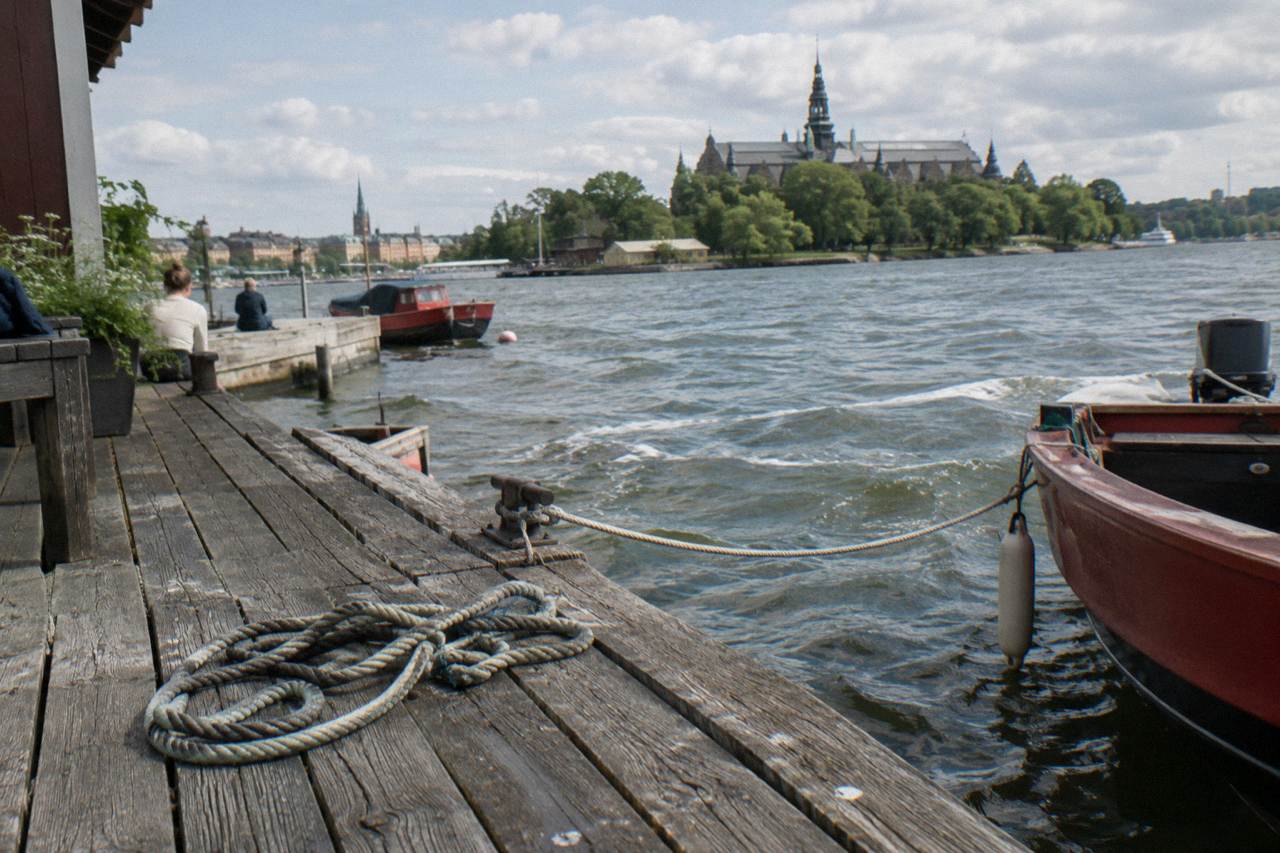
Yes, with limits. There is no single continuous path called the Stockholm Archipelago Trail, and no operator sells a ride along one. What exists instead is a chain of islands linked by public ferries, where bikes are carried at no extra charge on the boats that permit them, subject to space. Cycling the archipelago means short rides on each island, connected by boat.
That distinction matters, because plenty of marketing copy implies a Nordic island-hopping route you can pedal end to end. The geography will not allow it. The archipelago stretches from the edge of the city eastward into the Baltic, and water interrupts every few kilometres. So the honest answer is that you cycle the archipelago the way you cycle any ferry-linked island group: ride, roll aboard, sail, ride again. Daylight, ferry timetables and your own legs set the pace.
The model works well in practice. Several self-guided cycling holiday operators run archipelago packages through the warmer half of the year, with one operator listing daily departures from mid-May to mid-September and another offering roughly 220 km across five riding days on an island-hopping route. Those are packaged trips with luggage transfers, not a public trail, but their existence tells you the underlying network is real: quiet island roads, short ferry hops, and enough riding between landings to fill a week. If you would rather let boats carry some of the distance, our guide to the best way to see the Stockholm archipelago weighs ferry hops against self-guided riding and guided tours, season by season.
For a first visit, a sensible plan is to ride the city itself on a guided tour first, then take a bike out to the islands.
Which Boats Take Bikes, And What Are The Rules?
Public ferries carry bikes, but only where the operator's rules allow, and space decides on the day. The Djurgården ferry and SL commuter boats take a regular bike at no extra charge, subject to room. Waxholmsbolaget boats allow one regular bike per person if space permits. Bikes are banned outright on SL buses, the metro and most trams.
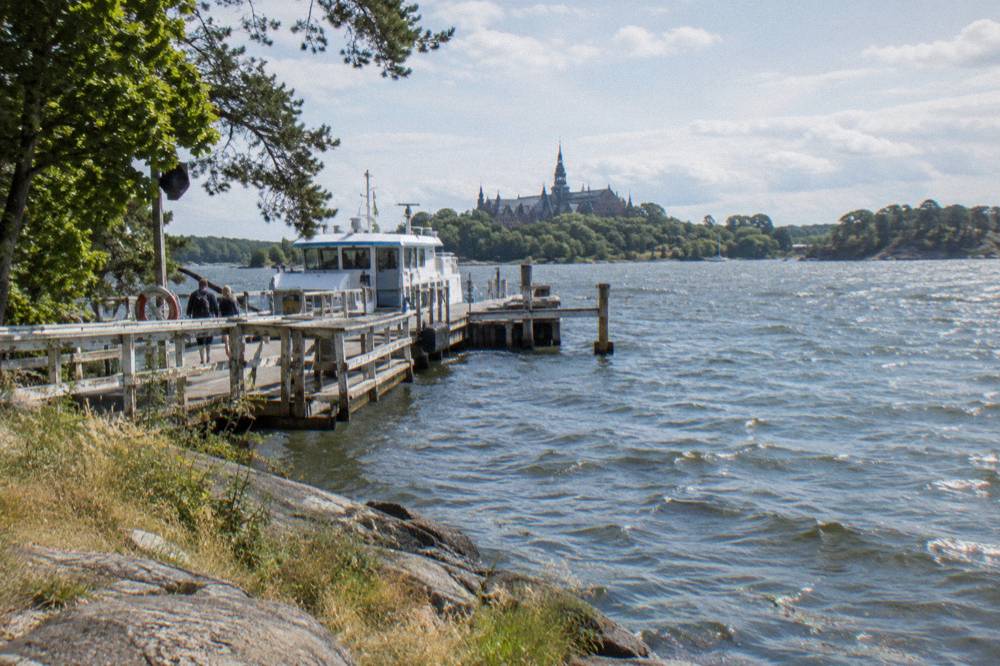
The starting point is the SL rule set, and it is stricter than many visitors expect. Full-size, non-folded bikes are never allowed on SL buses, the tunnelbana, Spårväg City or Nockebybanan. On Lidingöbanan and new Roslagsbanan trains they are permitted off-peak. On commuter trains, the Tvärbanan light rail and Saltsjöbanan, a non-folded bike is permitted outside weekday rush hours, with the stand requirements each mode specifies. The detail that matters most for an archipelago day: the Djurgården ferry, an SL commuter boat on line 82 between Slussen and Djurgården, takes bikes at no extra cost, always subject to space, and staff judge what fits.
Waxholmsbolaget, the company that runs many of the vessels out into the archipelago proper, allows one regular bike per person when there is room, also at no extra charge for a standard bike. Cargo bikes, tandems and bulky bikes are treated as goods and charged, and e-bikes are placed on deck. The crew's decision is final on all of it, which is worth remembering on a sunny July Saturday when the sun deck is already full. If you want the full detail straight from the source, SL's own rules for travelling with a bike and Waxholmsbolaget's baggage page spell out every mode and exception.
One practical consequence follows from all this: you cannot ride to the outer archipelago and take the bike on a train back if the day runs long. Plan the return by ferry, or fold the bike, or accept that the last boat is the last boat. Timetables thin out sharply outside summer, so check the sailing times for your date before committing to an island, not after you land on it.
The year-round rental picture in the city centre is solid, with several shops open through winter and seasonal counters opening in spring. If you are pairing a city ride with an island day, ask the operator about keeping the bike overnight; not every shop allows it, and an archipelago overnight is exactly the trip where it matters. A private guided ride in the city before your island day answers a question no timetable can: whether your group is ready for a full day of self-guided riding, or whether a shorter, guided format fits better.
What Does An Island-Hopping Day Actually Look Like?
A typical day is two or three short island rides joined by ferry sailings, not one long pedal. You roll aboard a morning boat, ride the island's road network while the ferry is ashore or stays behind, sail to the next island, and repeat. Most riders cover a modest distance on land and spend the rest of the day on the water.
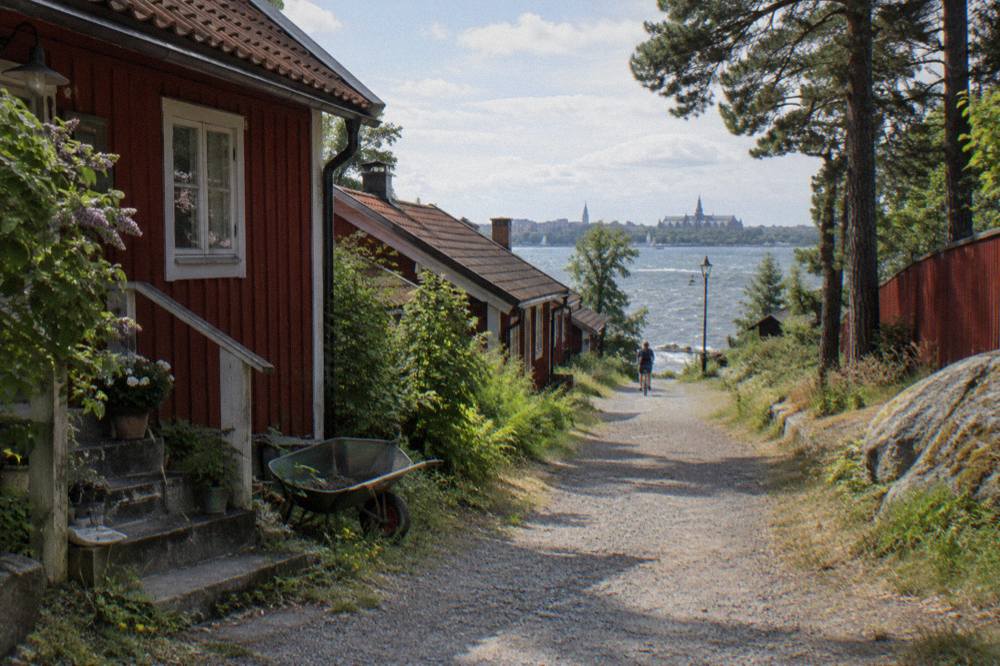
The rhythm is the appeal. Island roads in the archipelago are narrow, low-traffic and often gravel, winding between granite, pine and red-painted cottages. You are never fighting for space, and you are never far from a swimming spot. The constraint is the ferry timetable: on the smaller islands, a missed sailing can mean hours of waiting, so the day is planned backwards from the boats rather than forwards from distance. That is the opposite of how most cyclists plan a ride, and it takes a morning to adjust to.
Pack for the plan, not for a distance goal. Layers matter more than on a city ride, because the wind on open water is a different animal from the wind between buildings, and a sailing that feels warm in the harbour can be cold mid-channel. Water and a snack cover most islands, where shops are sparse and hours are short outside the peak weeks. Lights are worth carrying in the shoulder season: Swedish law requires front and rear lights plus reflectors when riding in darkness, and in late September the light goes early.
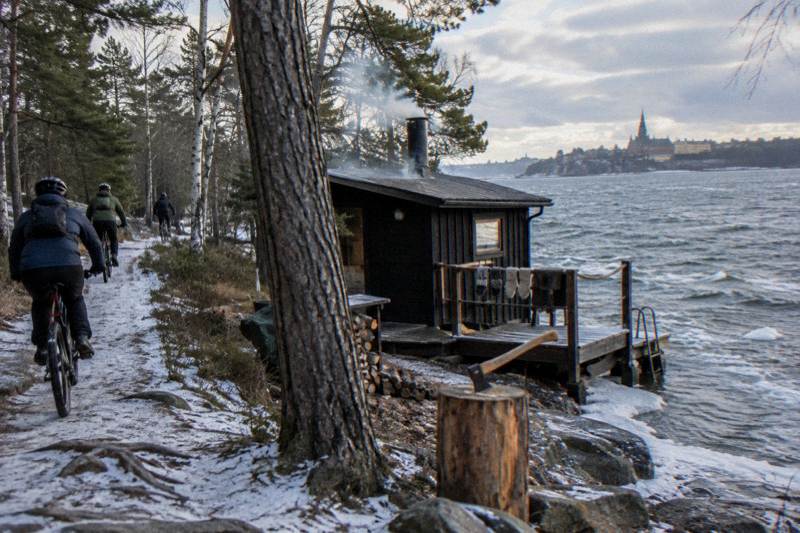
If the packaged version appeals more than self-planning, the season runs mid-May to mid-September for daily-departure self-guided holidays, with peak pricing from mid-June to mid-August. Those trips handle luggage and bookings; you still do the pedalling and you still meet the same ferries. For riders who want a flavour of the same nature without leaving the mainland, the Forest Bike Tour with Sauna and Homemade Lunch covers five hours of fat-bike riding, a wood-fired sauna and a cooked lunch, which is a fair approximation of the archipelago's pleasures compressed into one day.
The forest tour also solves a real seasonal problem. Archipelago ferry timetables shrink after summer, and from October the island-hopping packages pause entirely, but forest trails near the city keep working year-round. Riders visiting in the darker months get more value from a nature loop close to town than from a ferry schedule fighting the calendar.
That timetable-first logic is worth applying before you book anything. Pick islands after reading the sailing times, and treat any island with only a few departures as a lunch stop rather than a base. The packaged trips take luggage and bookings off your plate, but the boats still set the pace, so know the day's sailings even when someone else has made the reservations.
For anyone travelling outside the mid-May to mid-September window, the choice makes itself: the forest loop is the version of the day that still runs. It also works as a first taste for riders unsure about several days of boats, bundling the cycling, the nature and the cooked lunch into a single outing close to town.The season shapes the packing as much as the route: a July crossing and a late-September one can share the same road and the same boat, but only the second one ends in darkness, with the lights and reflectors earning their space in the bag.
When Is The Season For Archipelago Cycling?
Mid-May to mid-September is the practical season, and that is not a matter of taste but of timetables and weather. Packaged archipelago cycling holidays run roughly 16 May to 12 September, ferries run their fullest schedules July and August, and SMHI's 1991 to 2020 normals put July's average high at 23.6 C against November's 5.4 C.
The table below uses SMHI's 1991 to 2020 normals for Stockholm, which are long-run averages, never a forecast for your week. They still tell the story: the riding window is real but bounded, and rainfall peaks in late summer, not spring.
| Month | Avg high C | Avg low C | Precip mm | Daylight hours per day |
|---|---|---|---|---|
| May | 16.5 | 7.1 | 34.0 | 17.0 |
| June | 20.8 | 11.6 | 61.7 | 18.5 |
| July | 23.6 | 14.8 | 61.5 | 17.7 |
| August | 22.1 | 14.2 | 66.2 | 15.5 |
| September | 16.6 | 10.2 | 53.3 | 12.8 |
| October | 10.1 | 5.5 | 51.4 | 10.2 |
Two readings of that table matter for planning. June gives the most daylight of any month, about 18.5 hours per day, which buys you a long evening sail back to the city. August is the wettest month of the riding season at 66.2 mm on average, so a summer trip still packs a shell. For a deeper month-by-month breakdown, the best time of year to cycle in Stockholm guide carries the full table.
The off-season is not a void, it is just a different sport. Winter riders in Stockholm report that the city sweeps and salts its priority commuter routes, and the same infrastructure logic applies to getting to the ferry terminals. But island sailing schedules drop to a skeleton, some island shops close entirely, and the packaged cycling holidays do not run. If November is your month, ride the city and the forests, and save the archipelago for a return trip. The shorter daylight compounds it: by early November the Stockholm day is down to roughly eight hours and fifty minutes, and an island afternoon ride stops being a comfortable proposition.
What Rules Apply Once You Are Rolling?
Swedish cycling law is light-touch for adults and specific where it counts. Helmets are compulsory only under 15, a bell and working brakes are required at all times, lights and reflectors are required in darkness, and e-bikes count as ordinary bicycles when the motor assists pedalling only up to 25 km/h and 250 W. Fines run 500 to 1,500 kr.
The helmet point trips up visitors from stricter countries. Adults ride bareheaded legally; children under 15 must wear one, and an adult carrying a helmetless child can be fined 500 kr, stated in Swedish kronor, the local currency, and not comparable with tour prices in US dollars. If you are riding as a family, the rental shop will size helmets for the kids; the law does not care about yours.
| Requirement | When it applies | Fine if breached |
|---|---|---|
| Helmet | Riders under 15, always | 500 kr for the adult carrying the child |
| Bell and brakes | At all times | 500 kr |
| Lights and reflectors | In darkness only | 500 kr |
| Riding at walking pace, yielding to pedestrians | Pedestrian streets such as Gamla Stan's | 1,000 kr above walking pace |
| Running a red light | Always | 1,500 kr |
E-bikes deserve a sentence, because the definition decides everything. A pedelec that stops assisting at 25 km/h and peaks at 250 W continuous rated power is legally a bicycle, which is why it can roll onto the permitted boats under the standard bike rules. Anything more powerful is probably a moped, with a different rulebook and no place on most ferries. The transport authority's official cycling rules page carries the exact wording.
On the islands themselves, you will rarely meet a bike lane, and you will rarely need one. Keep right where the road is shared, give pedestrians the space, and treat gravel corners with the respect they have earned from better riders than most. The full rule set, including the Gamla Stan walking-pace streets on your way through the city, is in the cycling rules in Stockholm guide.
Should You Ride The City Before The Islands?
Yes, and the reason is practical rather than scenic. A guided city ride first teaches you the local cycling conventions, the hand signals, the give-way habits and the bridge crossings, in two or three hours with a guide beside you. You then carry that fluency onto quiet island roads where help is an hour and a ferry away.
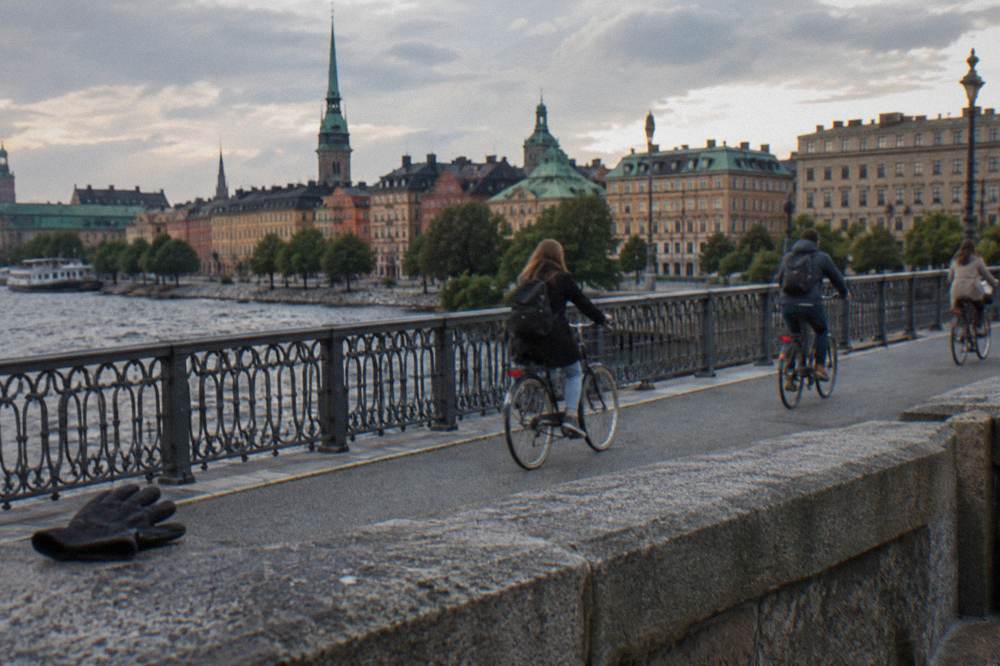
This is where the private option earns its keep. The Stockholm 3-Hour Private Guided Bike Tour runs on classic bikes with a dedicated guide, so the pace, the stops and the explanations bend to one party rather than a group average. Families with children under 15, or riders who want the guide's ferry and island recommendations from a local's mouth, get more from three private hours than from a shared loop. Booking details, inclusions and the meeting point are on the booking page, and it is worth checking the cancellation terms there before an archipelago week locks in around it.
The shared alternative costs less and still covers the fundamentals. Stockholm: Guided Bike Tour runs 2 to 3 hours on classic bikes in a shared group, and the Stockholm at a Glance Bike Tour covers the same ground in a 2 to 3 hour window. Either one leaves you competent enough for an island day.
How Do You Plan The Day Without Overreaching?
Pick one or two islands, not five. Book a return sailing before you leave the terminal, carry lights in the shoulder season, and keep the land riding modest, because the ferries, not the kilometres, are the schedule. Check the booking page of any guided tour for inclusions and cancellation terms, and check the ferry timetable for your exact date.
The failure mode of a first archipelago day is ambition. Riders who plan four islands end up watching the fourth sail away from the wrong jetty. A single well-chosen island with a long lunch and a swim beats a rushed chain of landings, and you can always add a second hop if the morning goes well. The comparison between walking and riding the city first is covered in the walking tour or bike tour in Stockholm piece, and the same logic scales up: boats reward a slow plan.
Rent or bring? City rental shops run year-round and can set you up for an island day, subject to their own overnight rules, while the archipelago's seasonal rental counters open around late April and May. E-bikes help on the gravel, and any pedelec within the 25 km/h and 250 W definition travels as an ordinary bike on the permitted boats. For riders weighing the two, the e-bike or classic bike for a Stockholm tour guide lays out the trade-offs.
Whatever you choose, Stockholm Bike Tours keeps the guided options, the rules and the seasons in one place, and the three rides below cover the city warm-up, the forest day and the shared group loop that most first-time visitors start with.
Common Questions About Cycling The Stockholm Archipelago Trail
Can You Cycle The Stockholm Archipelago Trail?
Not as one continuous trail, because no such path exists. You cycle the archipelago as a chain of island rides linked by ferries, with bikes carried on the boats that permit them, subject to space. The practical season is mid-May to mid-September.
Do The Archipelago Ferries Charge Extra For A Bike?
A regular bike travels at no extra charge on SL commuter boats, including the Djurgården ferry, and on Waxholmsbolaget boats when space allows. Cargo bikes and tandems are treated as goods and charged on Waxholmsbolaget services. Space is judged by crew on the day.
Can You Take An E-Bike On The Archipelago Boats?
Yes, where bikes are allowed at all, an e-bike within the legal definition, pedal assist up to 25 km/h and 250 W maximum, counts as an ordinary bicycle. On boats, e-bikes are placed on deck, and if deck space runs out the battery may need to come off and go in the deck container.
When Is The Best Month For Archipelago Cycling?
June through August is the core window. June gives about 18.5 hours of daylight per day, the most of any month, while July is the warmest on SMHI's 1991 to 2020 normals with an average high of 23.6 C. August is the wettest summer month at 66.2 mm on average, so pack a shell.
Do You Need A Helmet On An Archipelago Ride?
Only riders under 15 must wear one by law, and an adult carrying a helmetless child can be fined 500 kr. Adults ride legally without, though rental shops provide helmets and most guided tours include them. Check the booking page for what a specific tour supplies.
Can You Rent A Bike In The Archipelago Itself?
Seasonal rental counters on Djurgården open around late April or May for the summer, and year-round shops operate in central Stockholm. Ask about overnight keeps if you plan an island stay, since shop policies differ. Check the booking page or contact the operator directly for the detail you need.