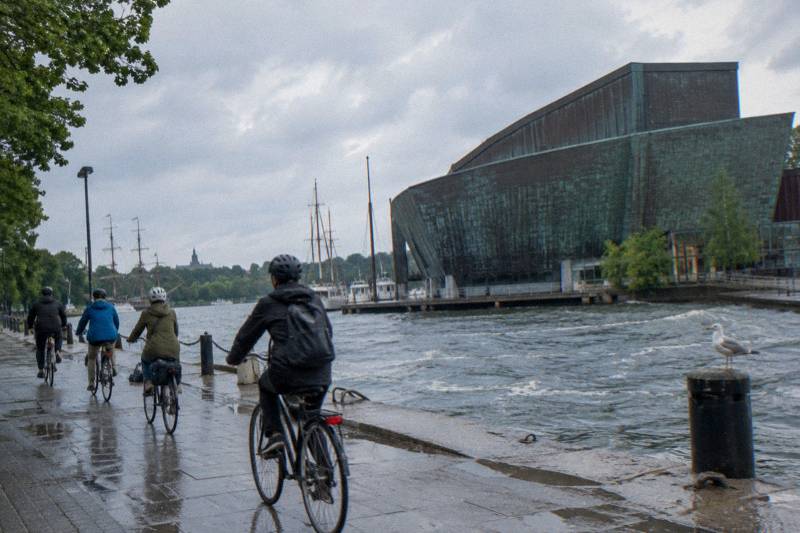
Best Time Of Year To Cycle In Stockholm
Stockholm rewards cyclists from late April to early October, but each month trades daylight, warmth and crowds differently. Here is what the climate record and the tour calendar actually say about picking your date.
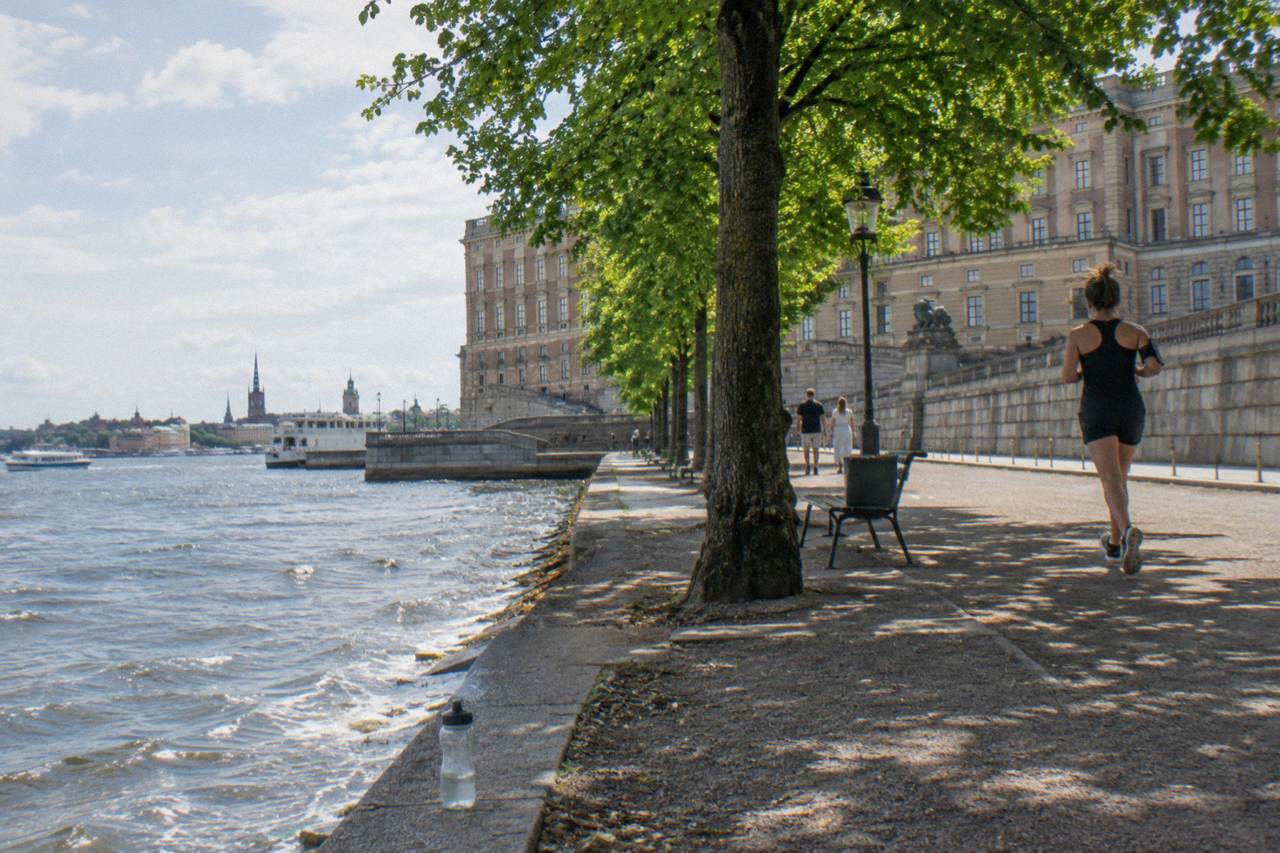
Short answer
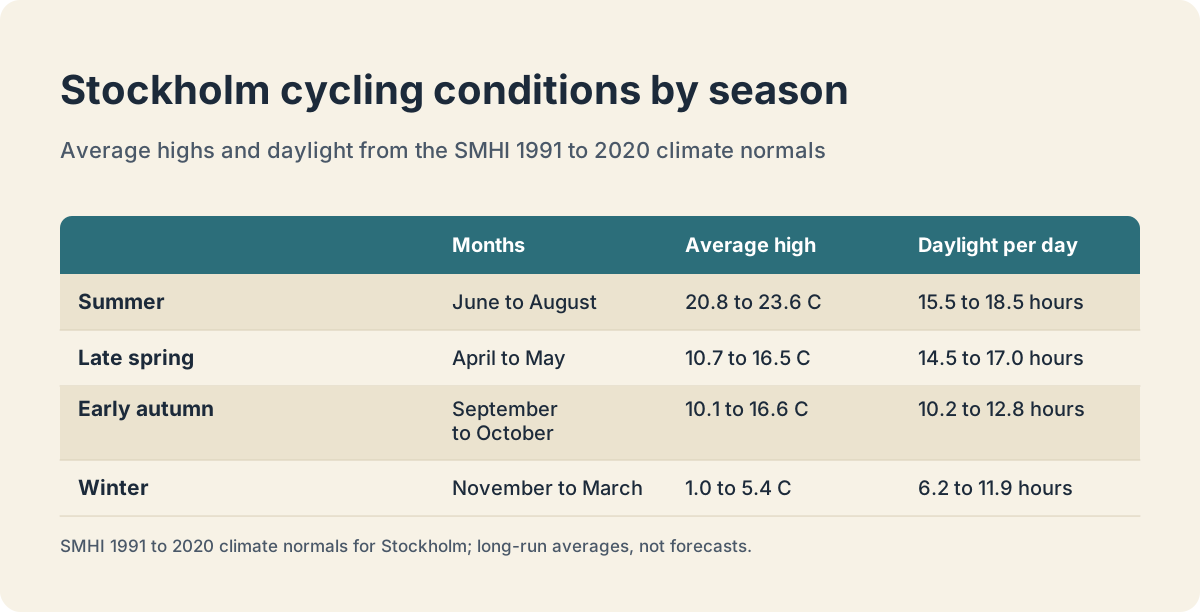
Late May to early September is the core cycling season in Stockholm, with June daylight around 18.5 hours per day and July average highs of 23.6 C. Guided bike tours run through the winter with the right gear, and the roughly 1,170 km of cycle routes are ploughed and salted so riding is possible all year.
Stockholm sits at the latitude where the seasons do the deciding for you. In June the sun is up for roughly 18.5 hours a day; in December, barely 6. That swing shapes everything about cycling here, from which months feel effortless to when the cycle paths are salted rather than swept. The city has roughly 1,170 km of cycleways, and the operators who run guided rides here work around the calendar in ways a first-time visitor rarely hears about. If you would rather set your own pace than follow a guide, our article on self-guided bike tours in Sweden explains what that actually looks like here.
This guide walks through the year using the SMHI 1991 to 2020 climate normals for Stockholm, which describe long-run averages rather than any forecast, plus the seasonal facts from the tour and rental calendar. The aim is simple: help you pick the month that matches what you want from a ride, whether that is a long golden evening on Djurgården or a quiet February loop with studded tyres. For the mechanics of hiring wheels rather than choosing a date, the guide to renting or taking a guided ride covers the other half of the decision.
When Is The Best Time To Cycle In Stockholm?
The best time to cycle in Stockholm is late May through early September, when average daytime highs run from 16.5 C to 23.6 C, daylight stretches beyond 15 hours, and every guided tour and rental shop in the city is running at full schedule. Outside that window riding is still possible, the city ploughs and salts its cycle network through winter, but hours of light and tour availability shrink sharply by November.
That late-May-to-early-September span is not a marketing convention; it falls straight out of the numbers. July, the warmest month in the SMHI 1991 to 2020 normals, averages a high of 23.6 C and a low of 14.8 C. June averages 20.8 C by day. May has cooled to an average high of 16.5 C, September to 16.6 C, and both sit on the comfortable edge of riding weather with 17.0 and 12.8 hours of daylight respectively.
The shoulders matter too, and they are where value hides. April and October both average daytime highs around 10 C, and daylight of 14.5 and 10.2 hours, which is plenty for a three-hour ride if you layer up. What the shoulder months trade away is not comfort so much as certainty at the edges: the seasonal rental counters on Djurgården open around the end of April, and some tour options thin out after September.
Winter cycling in Stockholm is a real thing rather than a stunt. The city's traffic unit reports sweeping and salting around 38 mil of cycle paths to keep them in bare-ground condition as temperatures fall, working down to about -6 C before the salt stops being effective. Locals commute by bike through January, when the average high is 1.0 C and daylight is down to 7 hours. It is doable with lights, layers and the right tyres, it is simply a different sport.
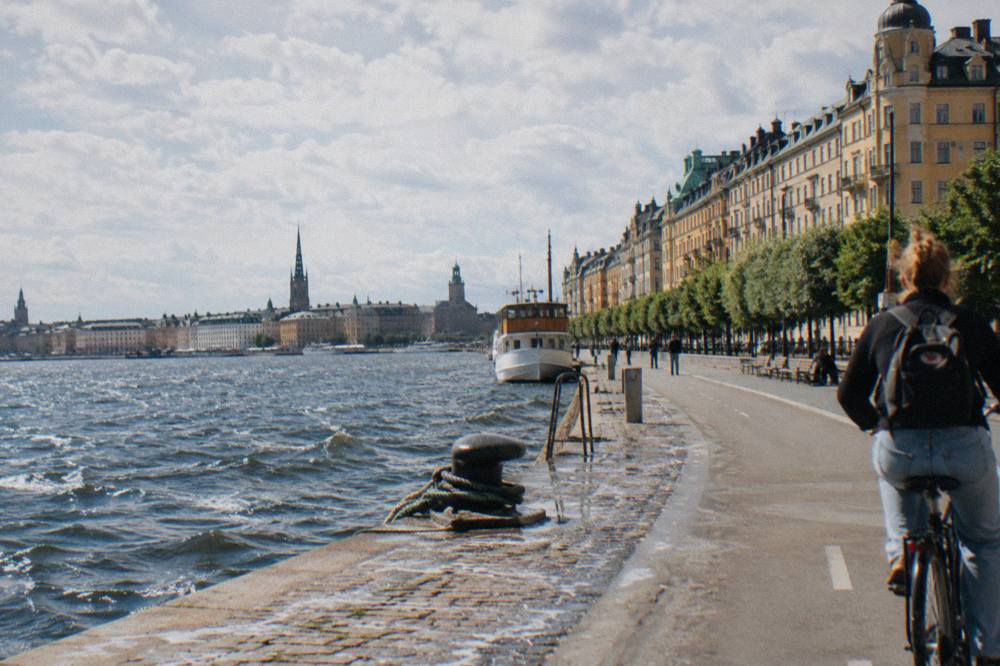
| Season | Months | Average high | Daylight range | Riding character |
|---|---|---|---|---|
| Summer | June to August | 20.8 to 23.6 C | 15.5 to 18.5 hours | Peak season, longest days, most tour departures |
| Late spring | April to May | 10.7 to 16.5 C | 14.5 to 17.0 hours | Warming fast, seasonal rentals open late April |
| Early autumn | September to October | 10.1 to 16.6 C | 10.2 to 12.8 hours | Mild, quieter paths, tour schedules thin out |
| Winter | November to March | 1.0 to 5.4 C | 6.2 to 11.9 hours | Salted commuter routes, lights required, short days |
How Much Daylight Do You Get For Cycling Each Month?
Daylight in Stockholm swings from about 18.5 hours per day in June down to 6.2 hours in December, a gap of more than twelve hours that dwarfs anything in continental Europe. May, June and July all average over 15 hours of daylight, which means an evening ride after a full day of sightseeing is entirely normal. From October the light tightens fast, losing roughly two hours per month.
This is the single most under-planned variable for visitors from further south. In June you can start a ride at 6 in the evening and still have three hours of good light. By late October the sun is setting before 5 in the afternoon, and the SMHI forecast for early November 2026 put sunrise around 07:07 and sunset around 15:57. The Swedish rule that bites here is the lighting law: lights and reflectors are required when riding in darkness, and police list a 500 kr fine for riding unlit. Renting in the darker months means confirming your bike comes with working lights, something worth checking on the booking page of any tour or rental.
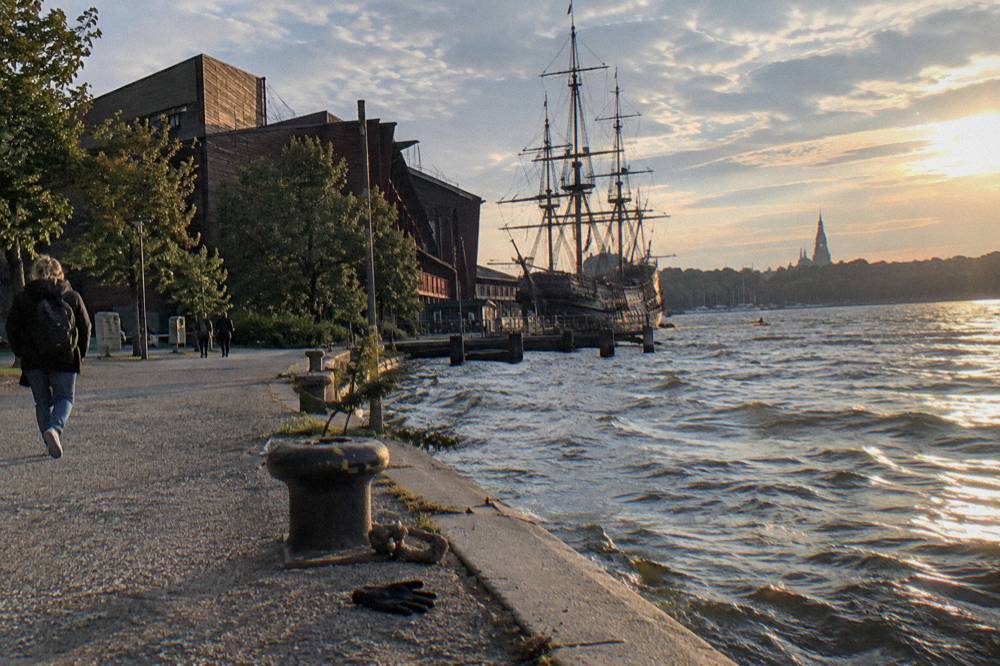
| Month | Average high C | Average low C | Precipitation mm | Daylight hours per day |
|---|---|---|---|---|
| January | 1.0 | -2.9 | 37.0 | 7.0 |
| February | 1.2 | -3.2 | 29.4 | 9.3 |
| March | 4.7 | -1.1 | 27.3 | 11.9 |
| April | 10.7 | 2.6 | 29.2 | 14.5 |
| May | 16.5 | 7.1 | 34.0 | 17.0 |
| June | 20.8 | 11.6 | 61.7 | 18.5 |
| July | 23.6 | 14.8 | 61.5 | 17.7 |
| August | 22.1 | 14.2 | 66.2 | 15.5 |
| September | 16.6 | 10.2 | 53.3 | 12.8 |
| October | 10.1 | 5.5 | 51.4 | 10.2 |
| November | 5.4 | 1.9 | 47.6 | 7.7 |
| December | 2.5 | -1.2 | 47.8 | 6.2 |
These figures are the SMHI 1991 to 2020 normals for Stockholm, a long-run average, not a forecast for your week. But they are the best planning baseline that exists. Two patterns worth reading out of the table: February through April are the driest months, at 27 to 29 mm each, while August is the wettest at 66 mm. And the daylight column moves fastest at the shoulders, with March gaining almost three hours over February and October losing more than two hours against September.
Since daylight is the resource you are really shopping for when you pick a month, the tours that fill it best deserve a look while you are here:
The Stockholm Guided Bike Tour is the flexible pick of that set, running 2 to 3 hours with an e-bike option on the same listing, which matters in the shoulder months when a bit of assistance takes the edge off a headwind. The Wooden Bicycle Tour is the two-hour format contrast, and the E-Bike City Tour at 2 hours 30 minutes is the only dedicated e-bike product among them. Prices and current departure times sit on each booking page.
What Is Summer Cycling In Stockholm Actually Like?
Summer cycling in Stockholm means average highs of 20.8 to 23.6 C from June through August, daylight past 15 hours, and every rental counter and tour operator running at full season, but also the year's highest rainfall totals, with July at 61.5 mm and August at 66.2 mm on the SMHI normals. Crowds on Djurgården peak in July and August.
The summer upside needs little selling. June's 18.5 hours of daylight means a bike tour at 17:00 still finishes in full light. In practice the riding season runs April through October for most riders, with the core operators, and the guided city and Djurgården rides that run 2 to 3 hours sit right in the summer comfort zone.
The summer catch is water. August is the wettest month in the normals at 66.2 mm, and June and July both sit above 61 mm, higher than any spring month. This is not monsoon weather; it is the fact that summer showers are part of the deal, and a rain layer belongs in the bag. If a wet-weather plan matters to you, the stockholm-bike-tour-in-the-rain guide goes deep on what changes.
Summer 2026 offered a useful reminder that normals are not promises: SMHI reported it was the coolest summer for Sweden as a whole since 2017, with June warmer than normal while July and August sat around or slightly below the normal range in the south. Plan on the normals, pack for the spread.
If July heat or August showers make a classic ride less appealing, the e-bike city tour at 2 hours 30 minutes covers similar ground with the motor doing some of the work, and its booking page shows the current season's departure slots.
When Do Guided Bike Tours Run In Stockholm?
Guided bike tours in Stockholm run year-round, but the shape of the calendar changes: the standard 2 to 3 hour shared city tours operate through the year with seasonal departures, Djurgården's rental counter opens for the season around the end of April, and winter-specific e-bike and fat-bike tours with sauna and lunch run in the cold months. Check the booking page for the month you have in mind.
The tour calendar is broader than most visitors expect. Winter e-bike guided tours run in Stockholm, 2.5 to 3 hours with winter tyres and gear provided., running 2.5 to 3 hours with winter tyres and gear provided. Fat-bike forest tours with sauna and a homemade lunch run year-round near Stockholm, with 2 to 3 hours of riding on seasonal trails. And the Stadiongirot cycling event on Norra Djurgården in May, with 19 km and 38 km distances starting from Stockholms Stadion, marks the point in spring when the cycling season is visibly in full swing.
On the rental side, the seasonal counter on Djurgården opened for the 2026 season on 30 April, with classic three-speed city bikes, May hours of Thursday to Sunday, expanded daily hours in peak summer and weekend-only in September. That pattern, late-April opening to late-September wind-down, is the template for most seasonal bike services in the city.
| Tour or service | Duration | Format | Season character |
|---|---|---|---|
| Stockholm: Guided Bike Tour | 2 to 3 hours | Shared, e-bike option on the listing | Runs across the season, check booking page for winter departures |
| Stockholm at a Glance Bike Tour | 2 to 3 hours | Shared | City core loop, standard season |
| The Wooden Bicycle Tour | 2 hours | Shared | Short format, all-ages friendly |
| Bike Tour Stockholm | 3 hours | Shared | Longer city circuit |
| Stockholm E-Bike City Tour | 2 hours 30 minutes | Shared, e-bike only | The dedicated e-bike option |
| Forest Bike Tour with Sauna and Lunch | 5 hours | Shared | Year-round forest format with sauna stop |
| Djurgården seasonal rental | Self-guided | Rental | Opens around end of April, weekends only by September |
The five-hour Forest Bike Tour with Sauna and Homemade Lunch deserves a special mention for the off-season, because a sauna stop reframes cold-weather riding entirely. The listing describes a forest loop with a homemade lunch, and the ride uses fat bikes and runs year-round; the booking page shows the current month's departures.
How Cold And Dark Is Cycling In Stockholm In Winter?
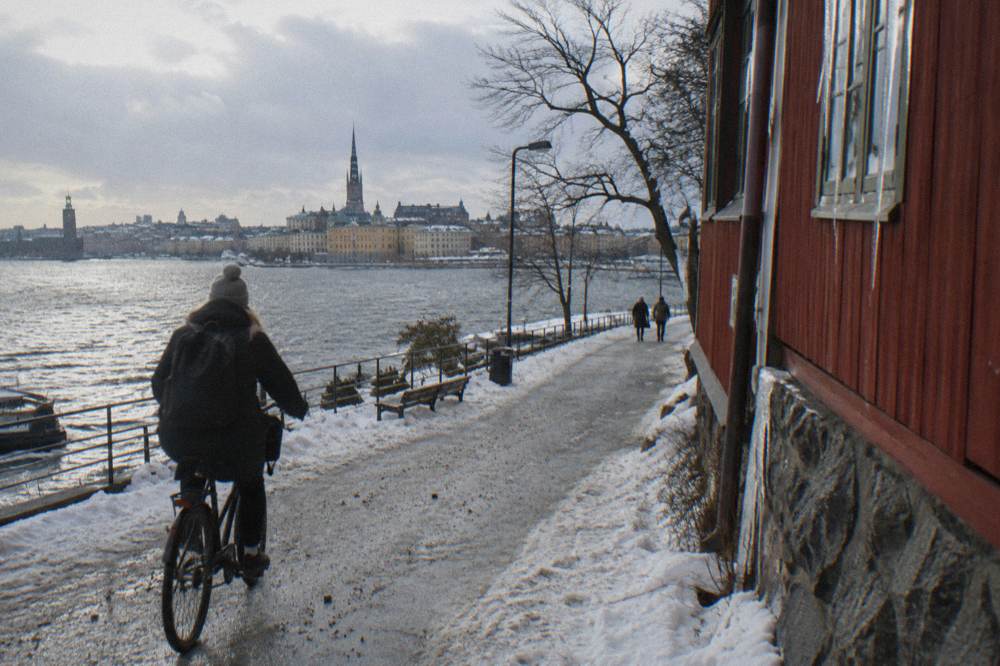
Winter cycling in Stockholm runs against average highs of 1.0 to 5.4 C from November through March and daylight as low as 6.2 hours per day in December, but the city sweeps and salts around 38 mil of cycle paths to keep them in bare-ground condition, working down to about -6 C. Lights and reflectors are legally required in darkness, with a 500 kr fine for riding unlit.
The infrastructure is the story here. Stockholm's traffic operator states that cycle paths are salted to maintain bare surfaces as temperatures fall toward -6 C, and the city treats more than 36 mil of cycling infrastructure through the winter season, an expanded network in recent years. SMHI statistics note that the first snow cover of at least 1 cm in Stockholm falls, on average, around 26 November. Before that date, bare-ground riding is the norm on treated routes.
The law follows the darkness. The Swedish requirement is that a bike in darkness carries a rear red light visible at 300 m, a front white or yellow light visible at 300 m, and reflectors; police list a 500 kr fine for missing or unlit equipment. A bell and working brakes are mandatory at all times, on any ride, in any season. Children under 15 must wear a helmet, with a 500 kr fine possible for an adult carrying a helmetless child. The rules are summed up in detail in the cycling rules in Stockholm guide, and the official Transportstyrelsen pages carry the binding text at the Swedish Transport Agency's cycling rules.
For visitors, winter riding is best done with a guide rather than alone. Winter e-bike tours run 2.5 to 3 hours with winter tyres and gear provided, which solves the equipment problem in one booking, and the fat-bike forest format with a sauna and lunch turns a short winter day into a warm one.
Are Spring And Autumn Good Months For A Bike Tour?
Spring and autumn are genuinely good cycling months in Stockholm, with April and October both averaging daytime highs around 10 C, February through April being the driest stretch of the year at 27 to 29 mm of precipitation per month, and thinner crowds than July. The trade-offs are shorter daylight than summer, 14.5 hours in April and 10.2 in October, and a narrower window of tour departures. For help matching a bike tour to the season that suits you, our month-by-month guide to visiting Stockholm at the right time compares daylight, crowds, and weather across the year.
May is arguably the city's most underrated cycling month. The average high of 16.5 C with 17 hours of daylight is close to summer conditions, and the seasonal services have all opened by then: the Djurgården rental counter from the end of April, the full guided tour schedule, and the spring cycling events on Djurgården, including the Fiskartorpets GP race in late April and Vuelta Laduviken in May. An afternoon on the Södermalm by bike route in May, with the green-wave cycle paths on Hornsgatan and Långholmsgatan timed at 20 km/h for cyclists, is as pleasant as the city gets.
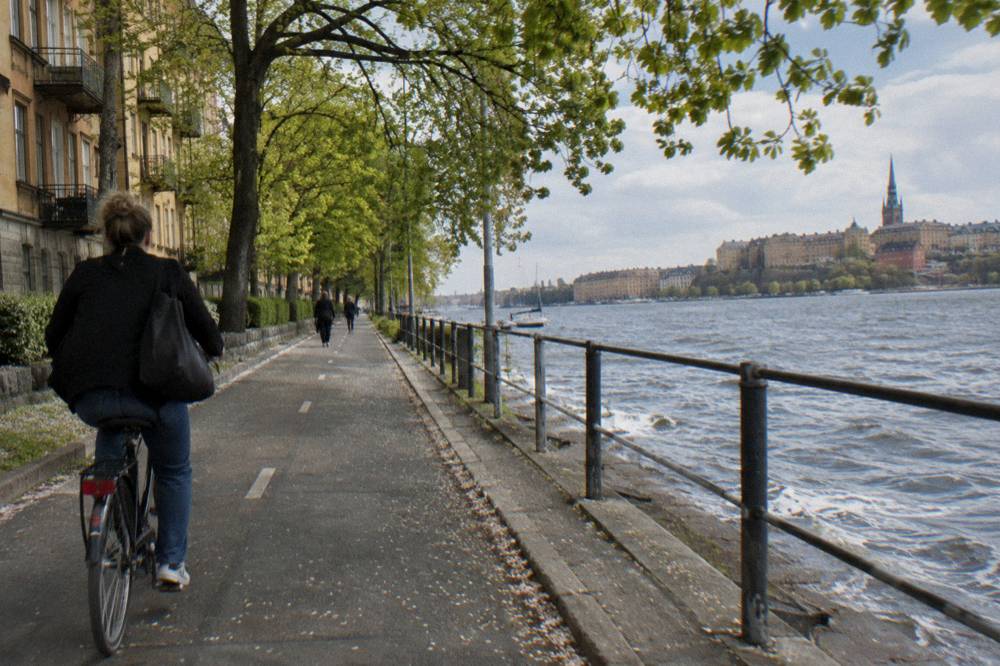
September is the mirror image: an average high of 16.6 C, 12.8 hours of daylight, and the archipelago package season still running to mid-September. Autumn precipitation runs 47.6 mm in November and 51.4 mm in October on the normals, so a rain layer matters more than in spring.
October is where planning gets careful. Daylight drops to 10.2 hours, the seasonal rental counters go weekend-only and then close, and the first frosts arrive on average lows of 5.5 C. It is still a fine riding month, and quieter than any summer week, but book a tour with a departure time that uses the midday light.
For a short city loop in the shoulder months, the Stockholm at a Glance Bike Tour at 2 to 3 hours is the format most people pick, and its booking page shows which days run in the off-peak weeks.
When Can You Combine City Cycling With The Archipelago?
The archipelago cycling season runs from mid-May to mid-September, with self-guided island-hopping packages departing daily between 16 May and 12 September in 2026 and identical dates set for 2027, typically around 220 km over five riding days using ferries between islands. Outside that window the ferries still run but package seasons and daylight close down.
The multi-day product is a different animal from a city tour. The self-guided archipelago cycling holidays run daily departures through the summer, priced in shoulder and peak seasons with the peak from mid-June to mid-August, and one adventure package lists set summer departure dates with five nights from 9,375 SEK per person. Sweden by Bike, Skedaddle and Pedalo all operate in this space, and the cycling the Stockholm archipelago guide covers the routes in full. If those summer windows feel narrow, the season-by-season guide to timing a Sweden trip explains how the rest of the year treats cyclists.
The reason the season is bounded is less about temperature than about daylight and ferry schedules. A five-riding-day island itinerary this far north needs the long evenings; in October the same distances would mean finishing in the dark. The buses, metro and trams do not take bikes at all in Stockholm, which makes the ferries and the commuter rail allowances the backbone of any archipelago itinerary, and the rules are detailed on the official SL pages at SL's bike carriage rules.
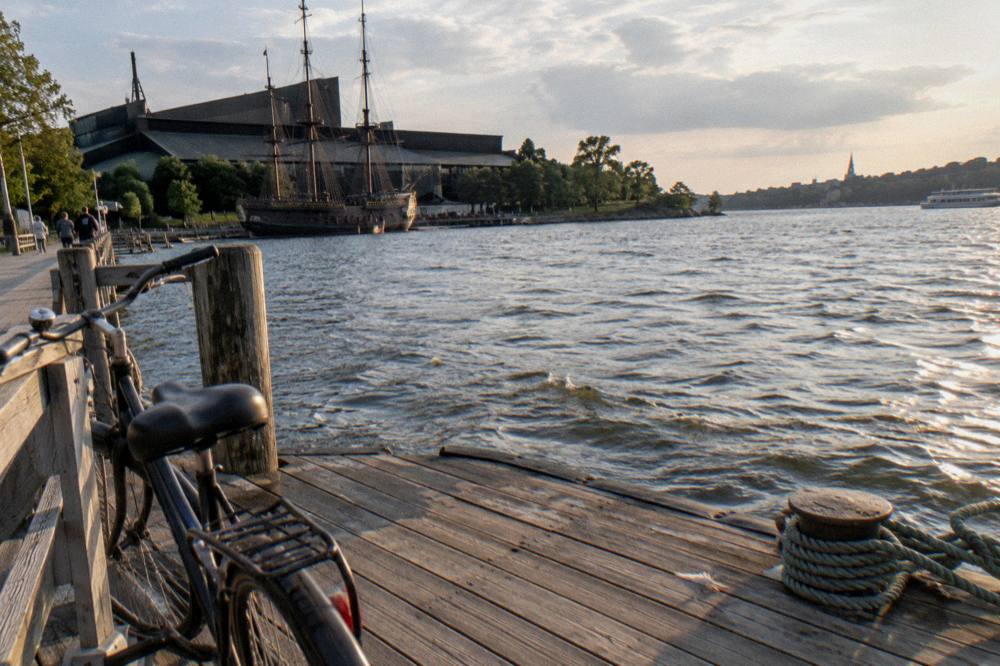
One ferry detail belongs in every archipelago plan: bikes ride the SL Djurgården ferry, the year-round line between Slussen and Djurgården, at no extra cost when there is space, and staff have the final say on loading. That makes the short hop to Djurgården by bike a standing part of any city itinerary, in any season the ferry runs, which is all year.
Which Month Should You Actually Pick?
Pick June or July for maximum daylight and the fullest tour calendar, late May or early September for near-summer conditions with thinner crowds, April or October for cool-weather riding on the quietest paths, and December through February only with a guided winter format and warm gear. Every month of the year is rideable here; the difference is how much of the work the season does for you.
A practical way to decide: rank what matters most. If it is evening light, June wins outright at 18.5 hours of daylight. If it is warmth, July at an average high of 23.6 C. If it is dry paths and empty lanes, the February-to-April window carries 27 to 29 mm of monthly precipitation, the lowest of the year, and the lowest tourist traffic. If it is a full-service experience with every rental counter and tour running, July and August.
And if the month is already fixed by a flight or a festival, there is a workable ride in all twelve. The Stockholm Guided Bike Tour runs 2 to 3 hours with an e-bike option on the same listing, which is the single most season-proof choice on the calendar: short enough for a winter daylight window, e-assisted if the weather turns, and city-based so it runs when the forest and archipelago formats pause.
The booking page for that tour shows the current month's departure times, what is included, and the meeting point, along with the cancellation terms before you commit.
However you time it, Stockholm Bike Tours exists to make the date-picking easier rather than harder, and the month-by-month breakdowns across the site follow the same climate record used here. The city's own cycling pages at Cykla Stockholm's route network overview are worth a read for anyone planning routes independently, with the full 117 mil, about 1,170 km, of cycleways mapped.
Wherever you land on the calendar, these three are the tours most worth checking for your dates:
Common Questions About Cycling Seasons In Stockholm
What Is The Best Time To Cycle In Stockholm?
Late May to early September, when average highs run from 16.5 C to 23.6 C and daylight exceeds 15 hours per day on the SMHI 1991 to 2020 normals. June offers the most daylight at about 18.5 hours per day; July is the warmest month.
Can You Cycle In Stockholm In Winter?
Yes. The city sweeps and salts around 38 mil of cycle paths to keep them usable in bare-ground conditions down to about -6 C, and winter e-bike tours and fat-bike forest tours with sauna and lunch run through the cold months. Expect 6 to 8 hours of daylight and legally required lights after dark.
When Do Guided Bike Tours Run In Stockholm?
Shared 2 to 3 hour city tours run across most of the year with seasonal departures, while the seasonal rental services on Djurgården open around the end of April and wind down to weekends only in September. Winter-specific formats fill the cold months. Check the booking page for the month you plan to visit.
Which Month Has The Most Daylight For Cycling In Stockholm?
June, with about 18.5 hours of daylight per day on the SMHI normals. July follows at 17.7 hours and May at 17.0 hours. December is the shortest at 6.2 hours.
Is August Too Rainy For A Bike Tour In Stockholm?
August is the wettest month in the normals at 66.2 mm of precipitation, but that usually means passing showers rather than all-day rain. Bring a rain layer, or see the dedicated rain-tour guide for what changes on a wet departure.
When Is The Archipelago Cycling Season?
Mid-May to mid-September. Self-guided island-hopping packages ran daily from 16 May to 12 September in 2026, with the same dates set for 2027, typically around 220 km over five riding days with ferry hops between islands.