What Is The Best Time To Visit Sweden?
A season-by-season answer to when to visit Sweden, built on Stockholm weather normals, 2026 events and cycle-tour seasons, with advice on pairing a guided bike ride with your dates.
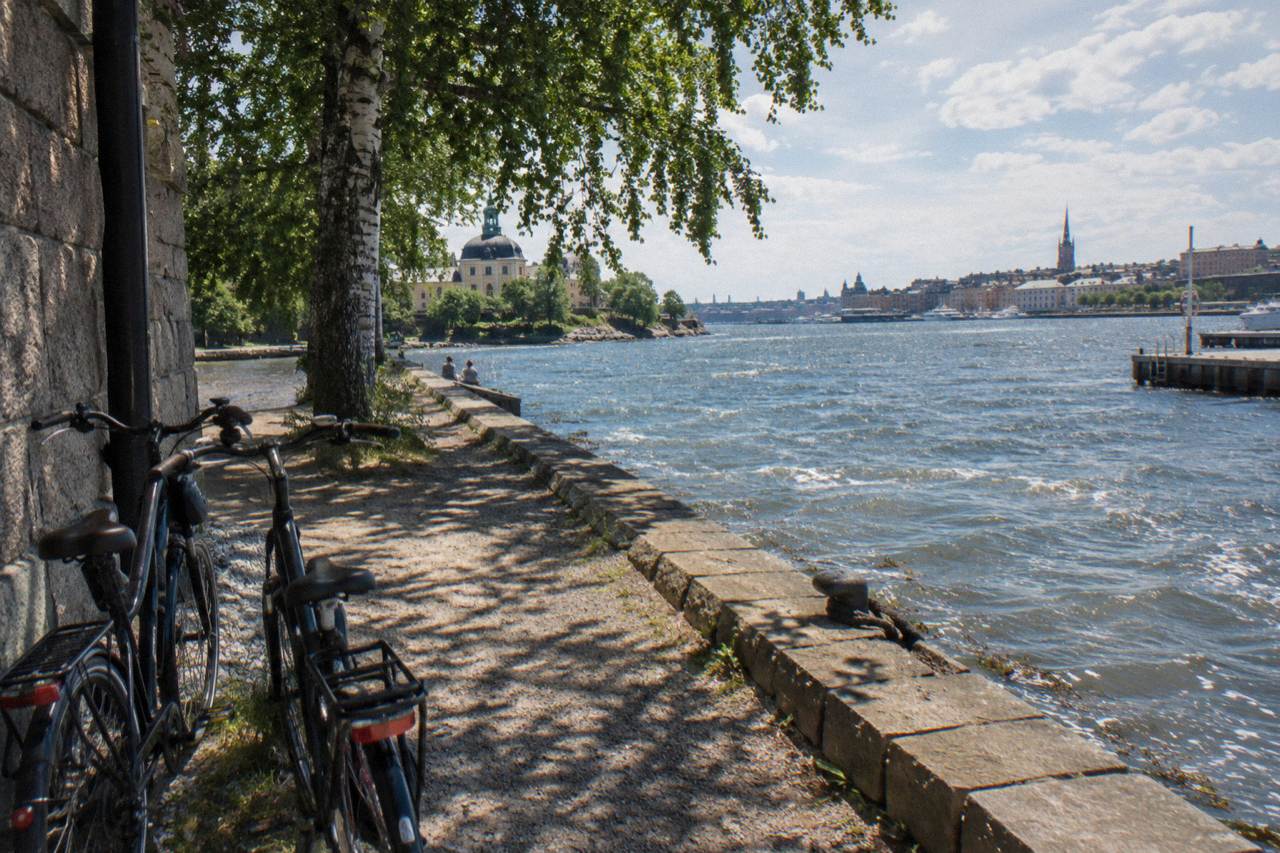
The best time to visit Sweden is late May through early September. That window combines the warmest Stockholm weather normals, 15 to 18 hours of daylight, and the full archipelago cycling season, which ran from mid-May to mid-September in 2026, with similar dates announced for 2027. June gives the longest days, July the warmest air, and September the thinnest crowds. For a closer look at how daylight, crowds, and conditions shift through the year in the capital, our month-by-month Stockholm timing guide helps you match a bike tour to the season.
Sweden is a long country, and almost every tidy answer about "Sweden" really describes Stockholm and the south. The climate figures in this article are Stockholm's specifically: the Swedish weather service's 1991 to 2020 normals put the city's annual mean temperature at 7.9 C and its yearly precipitation at fairly modest levels. Northern Sweden sits colder, snowier and lighter in summer, darker in winter, and none of the month-by-month numbers below should be stretched to Lapland. For a capital-focused trip built around walking, ferries and a bike ride, though, the Stockholm table is the planning tool that matters. Once your dates are set, our quick bus versus bike sightseeing comparison can help you decide how to tour the city.
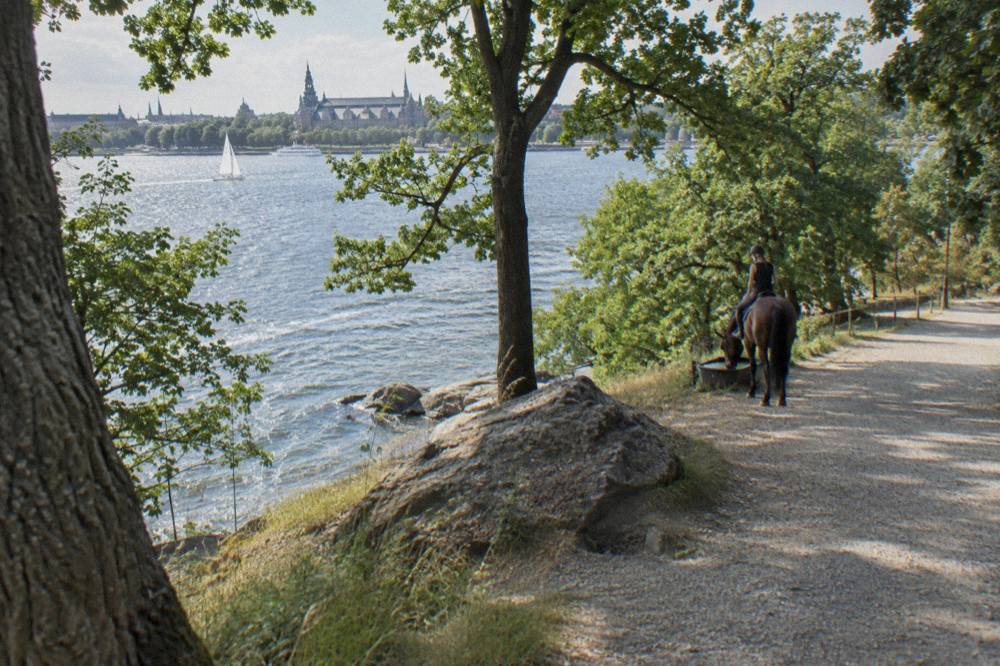
Two recent signals sharpen the picture. The summer of 2026 was Sweden's coolest as a whole since 2017, though still warmer than the 1991 to 2020 normal period, while September 2026 came in warmer than normal nationwide. In practice that means a "bad" Swedish summer is rarely a cold one, and early autumn can deliver days that feel like July with half the visitors.
If you want a single week to aim for, the last week of May into the first week of June is the sweet spot for most travellers: daytime highs in Stockholm average 16.5 to 20.8 C in those months, rain sits near 34 mm in May, daylight runs 17 to 18.5 hours, and the archipelago boat and cycling season has just opened without peak-season pricing, which the tour operators themselves flag as mid-June to mid-August.
If seeing Stockholm by bike is part of the plan, three rides cover the range of what a visit can hold:
The Stockholm: Guided Bike Tour is the all-season classic, 2 to 3 hours on regular bikes with a guide, and the natural first ride for anyone visiting between spring and autumn. The e-bike city tour covers similar ground in 2 hours 30 minutes with pedal assistance, a genuine advantage in a city built across islands. The Wooden Bicycle Tour is the two-hour novelty pick, riding purpose-built wooden frames, and pairs especially well with the long June evenings.
Those dates reward planners who read them closely. The operators' peak-pricing window of mid-June to mid-August sits entirely inside the 15 May to 13 September boat season, so the last week of May, the first half of June and the first half of September all deliver full archipelago access at shoulder-season prices. September makes the stronger shoulder case: the month has recently come in warmer than normal nationwide, and any trip before 13 September still catches the boats and cycling routes. Early May travellers get the same shoulder pricing but miss the boats, which do not start until the middle of the month.
Daylight shapes the riding day as much as temperature does in this window. With 17 to 18.5 hours of light across the sweet-spot weeks, the 2 to 3 hour guided tour and the 2 hour 30 minute e-bike ride both fit comfortably into a morning or an evening, leaving midday free for ferries and museums. The pedal assistance on the e-bike earns its keep on warm July afternoons and on any loop that crosses several islands, where bridges and short climbs add up over two and a half hours.
How Do Sweden's Seasons Actually Work?
Sweden has four clearly separated seasons, not a long shoulder blend. Stockholm's normal monthly highs jump from 4.7 C in March to 10.7 C in April and 16.5 C in May; daylight nearly doubles from 9.3 hours per day in February to 17 in May. Winter is dark and short, summer is bright and long, and spring and autumn each last roughly eight to ten useful weeks.
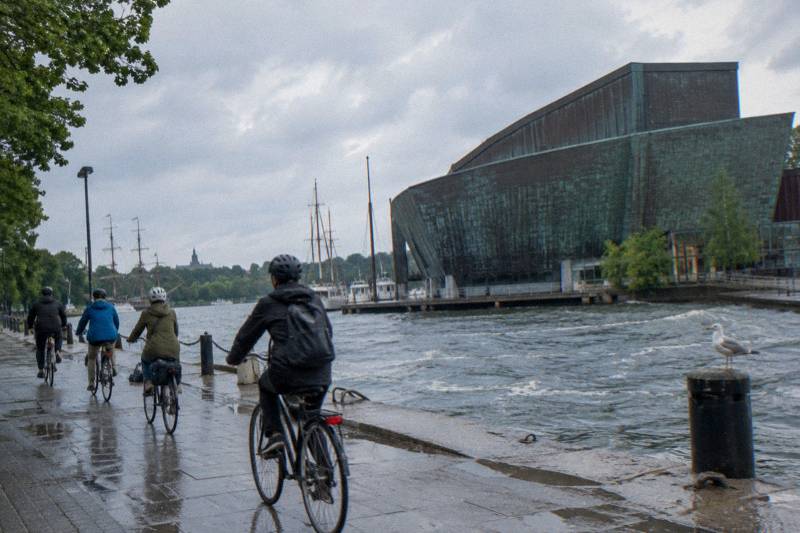
The daylight swing is the single biggest difference from continental Europe. Stockholm gets about 18.5 hours of daylight per day in June against 6.2 in December, which reshapes everything: summer days feel endless and museums run late, while December afternoons end before four. It also changes what a bike ride is. An evening tour in June starts in broad daylight at 7 p.m.; in November it needs lights, which Swedish law requires in darkness anyway.
Precipitation is modest and peaks late. August is Stockholm's wettest normal month at 66.2 mm, February to April the driest at 27 to 29 mm. The summer half-year is not rain-free, but the totals are closer to a dry Mediterranean winter month than to a British one. The regional breakdown for Stockholm puts summer (June to August) at 189 mm of rain in total, spread across the whole season.
| Month | Avg high C | Avg low C | Precip mm | Daylight hours per day |
|---|---|---|---|---|
| January | 1.0 | -2.9 | 37.0 | 7.0 |
| February | 1.2 | -3.2 | 29.4 | 9.3 |
| March | 4.7 | -1.1 | 27.3 | 11.9 |
| April | 10.7 | 2.6 | 29.2 | 14.5 |
| May | 16.5 | 7.1 | 34.0 | 17.0 |
| June | 20.8 | 11.6 | 61.7 | 18.5 |
| July | 23.6 | 14.8 | 61.5 | 17.7 |
| August | 22.1 | 14.2 | 66.2 | 15.5 |
| September | 16.6 | 10.2 | 53.3 | 12.8 |
| October | 10.1 | 5.5 | 51.4 | 10.2 |
| November | 5.4 | 1.9 | 47.6 | 7.7 |
| December | 2.5 | -1.2 | 47.8 | 6.2 |
These are the Swedish weather service's 1991 to 2020 normals for Stockholm, a secondary tabulation: they are averages, not forecasts, and they describe the capital only. Use them for choosing months, not for packing a specific week. The city's own cycling pages count roughly 117 mil, about 1,170 km, of cycle routes in Stockholm, which is why season choice matters more for comfort than for route availability: the network is there year-round.
If the dates are set and a guided ride is the anchor of a day, the private version of the classic city tour sits at the top of the price range:
Is Summer The Best Season For A First Visit?
Yes, for most first-time visitors, and June is the strongest single month. Stockholm's June normals give 20.8 C average highs, 11.6 C lows and 18.5 hours of daylight, the longest of the year, while July is the warmest month at 23.6 C average highs. The trade-offs are peak pricing on archipelago trips and the busiest museum queues of the year.
June rewards a first visit in a way no other month matches. Daylight that stretches past 10 p.m. means an unhurried rhythm: a morning museum, an afternoon on Djurgården's free royal parkland, a bike ride in early evening, dinner at nine without urgency. The Stockholm archipelago cycling-holiday season runs from mid-May to mid-September with daily departures, and its operators price the peak from mid-June to mid-August, so early June buys the light at closer to shoulder prices. To plan the rest of the budget, our breakdown of whether Sweden is expensive to visit shows what actually costs money in Stockholm and how a guided bike tour fits the maths.
July and August carry the warmth but also the crowds, and August is statistically the wettest month at 66.2 mm. That is still only about 15 mm more than June; the honest framing is that summer rain in Stockholm is a normal, passing feature rather than a season-defining one. September 2026, warmer than normal across Sweden, showed how often the "shoulder" outperforms the peak.
Summer is also the events season. On Djurgården, a bike event ran on the island in September 2026, cycling races filled spring weekends on Norra Djurgården, and the Stadiongirot ride offered 19 km and 38 km laps through the National City Park in May, with riders under 19 taking part free of charge. None of these close roads to visitors, but they explain why some weekends feel busier than the calendar suggests.
For a first-time itinerary, the at-a-glance bike format is a natural fit: a 2 to 3 hour shared ride that touches the headline islands and leaves the rest of the day free.
Is Spring A Good Time To Visit Sweden?
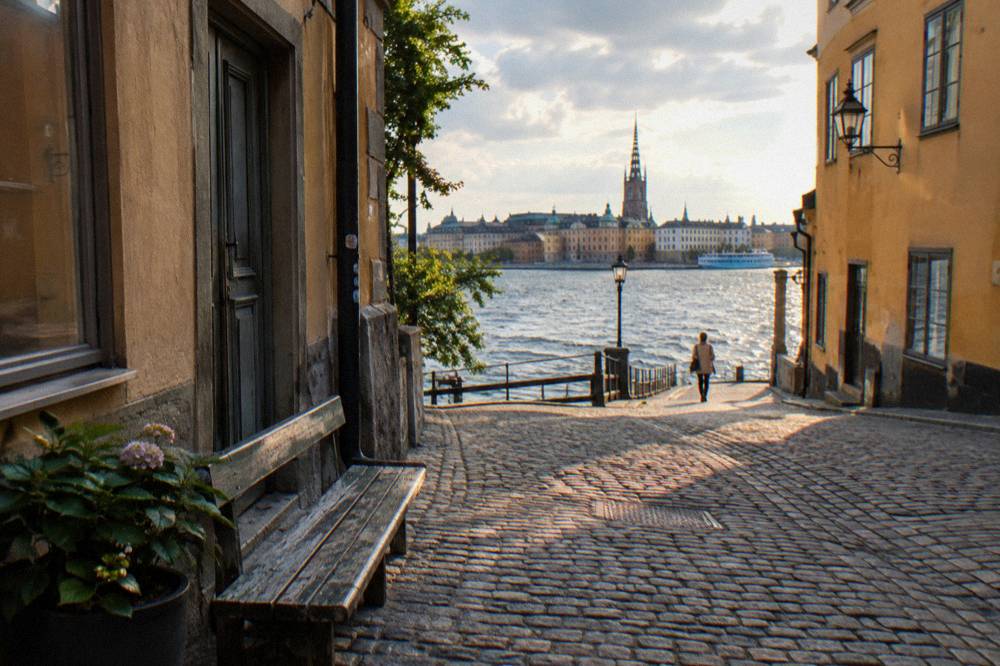
Spring is an excellent, underrated window. By May, Stockholm's normal highs reach 16.5 C with only 34 mm of rain, daylight is 17 hours, and the archipelago cycling season opens mid-month. April is the gamble: 10.7 C average highs and 14.5 hours of daylight, but with real variation week to week.
Late April and May deliver the year's best ratio of pleasant weather to visitor numbers. The streets of Gamla Stan are at walking pace anyway, but in May you share them with residents rather than tour groups. Two fresh quirks of the district are worth knowing: e-scooters are banned in Gamla Stan except along Munkbroleden and Skeppsbron, and cyclists on its pedestrian streets must ride at walking pace and yield to pedestrians, rules the city states plainly on its traffic regulations page.
Spring also carries the year's biggest daylight swing. Daylight grows from 11.9 hours per day in March to 14.5 in April and 17 in May, roughly six and a half extra hours between the equinox and early June. That is the season visitors most often misjudge: they arrive in mid-April expecting winter darkness and get fourteen-hour days instead.
The practical anchors of spring are the reopening dates. Djurgården's seasonal bike rental opened for the 2026 season on 30 April with classic three-speed city bikes, and the archipelago cycling holidays started daily departures on 15 May. Self-guided island-hopping trips of about 220 km over five riding days run through mid-September. If your dates are late May, you get nearly the full summer offer at pre-peak prices.
What About Autumn And Winter?
Autumn, especially September, is the second-best time to visit. Stockholm's September normals give 16.6 C highs and 12.8 hours of daylight, with thinner crowds than July. From November, days drop to 7.7 hours of daylight and the first snow in Stockholm typically falls around 26 November, so winter visits trade light for Christmas markets and empty paths.
September is the connoisseur's month. The sea is at its warmest after summer, the museums are fully open, and the light turns low and golden. October cools to 10.1 C average highs and 51.4 mm of rain, still workable for a city trip built around interiors: Fotografiska on Södermalm runs daily with late hours Thursday to Saturday, and its exhibition programme extends into 2027.
Winter needs honest expectations rather than warnings. Daylight shrinks to 6.2 hours per day in December, and by early November the sun sets before 4 p.m. in Stockholm. What winter gives back is the calendar: Skansen's Christmas market opened 27 November in 2026, running Fridays to Sundays until 20 December, and the city salts and ploughs a large share of its cycle network, about 38 mil of cycle paths according to the traffic authority, so cycling itself does not stop. The authority's own advice is that cycling works year-round with the right equipment, and that bike paths are salt-swept to keep them bare in freezing conditions.
Winter also widens the tour formats available. Winter e-bike tours with studded tires and provided gear are bookable in Stockholm, and forest fat-bike rides with sauna and lunch run year-round on seasonal trails. The forest version is the clearest argument that Sweden's "off-season" is a different season rather than a closed one:
A five-hour shared ride that trades city islands for forest trails, with a sauna and a homemade lunch built in, and a format that works when the classic summer season has wound down. Check the booking page for winter availability and what clothing is provided.
When Is The Best Time To Visit Sweden For Cycling?
For cycling specifically, May through September is the core season, matching both the archipelago holiday calendar (mid-May to mid-September) and the guided city-tour year. June and July give the most light, September the quietest paths, and winter riding is genuinely possible in Stockholm because the city salts a large share of its network.
The city's cycling basics do not change with the seasons: about 1,170 km of routes, a helmet required only for riders under 15, and lights required in darkness, which from October onward means any evening ride. What changes is comfort and company. Summer paths on Djurgården and Södermalm fill with commuters and tourists; a September morning can feel like the paths were built for you alone.
One recent upgrade matters to route planning: a widened cycle path along Riddarholmskanalen by Gamla Stan opened in April 2026, two months ahead of schedule, with better lighting and wider lanes. A new pedestrian and cycle bridge over Söderström at Slussen is planned to open in early 2027, which will add another link between Södermalm and the old town. The network is actively improving, and a route that was awkward two years ago may be smooth now.
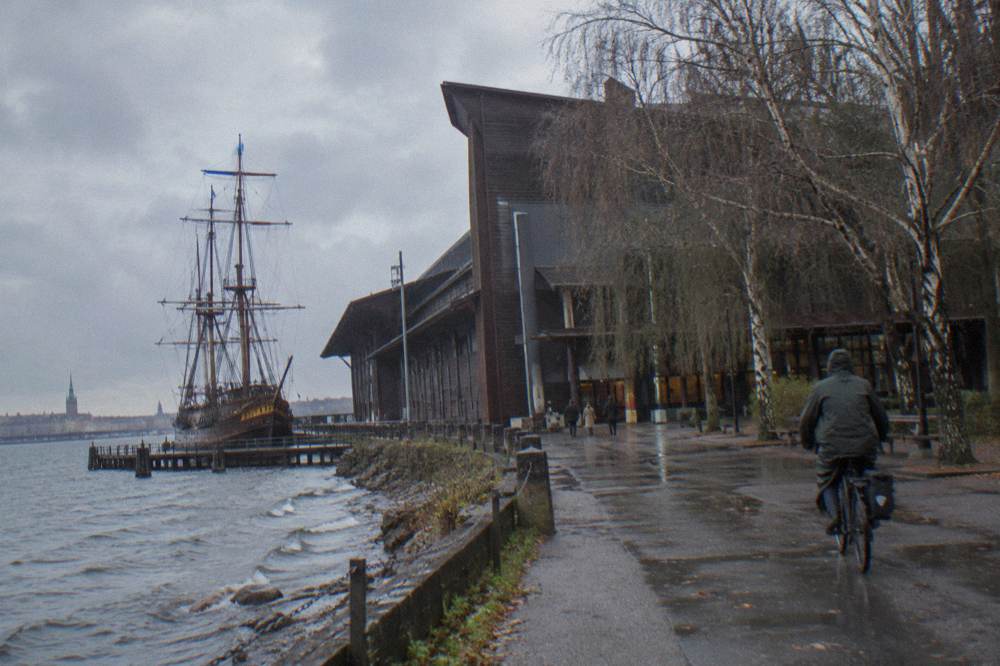
Djurgården rewards a bike at any time of year, and the practical detail is vehicle access: the Djurgårdsbommen and Vasabommen barriers restricted most vehicles on the island from late April to late September 2026, with exceptions for buses and taxis, which keeps the island calm for cyclists in the warm months. The Vasa Museum launched its "Vasa Walk" audio guide on 29 October 2026, a route that starts at the museum, crosses Djurgården and ends on Beckholmen, and ABBA The Museum opened a "Dancing Queen" exhibition for the band's 50th anniversary, open year-round. Entry to museums and Skansen is not free, but the park itself is.
Getting to the island with a bike is simple: the Djurgården ferry is a regular public boat service, bikes ride at no extra cost subject to space, and staff decide what fits. The fuller rules are covered in the guide to taking a bike on the Djurgården ferry.
Pairing the season with a ride format is where most itineraries come together. The classic choice is the 2 to 3 hour Stockholm: Guided Bike Tour, described in more depth in the site's comparison of a walking tour versus a bike tour in Stockholm. What separates the seasons less than people expect is availability: the shared city tours list departures across the warmer months, the e-bike format lowers the effort on short winter days, and the forest-and-sauna ride covers the cold half of the year.
Which Month Should You Actually Book?
Book June for maximum light, late May or early September for the best balance of weather, prices and crowds, and February to April if your priority is the cheapest, driest city break rather than cycling. Avoid promising yourself "guaranteed" weather in any month: these are normals, and Sweden's recent summers have swung from coolest-since-2017 in 2026 to well-above-normal months within the same year.
A simple decision table, using Stockholm's normals and the events calendar:
| If you want | Best months | Why |
|---|---|---|
| Longest days, evening rides | June | 18.5 hours of daylight, the year's maximum |
| Warmest weather | July | 23.6 C average high, the warmest month |
| Fewer crowds, warm sea | September | 16.6 C highs, archipelago season to mid-month |
| Lowest prices, dry city break | February to April | 27 to 29 mm rain, off-peak rates, fewest visitors |
| Christmas markets | Late November to 20 December | Skansen market opens 27 November |
| Archipelago cycling holiday | Mid-May to mid-September | Operator season, peak pricing mid-June to mid-August |
Two cautions keep the table honest. First, the climate data is Stockholm's, and Sweden stretches far north: a June trip to the far north is a different light-and-temperature proposition from a June trip to the capital, and this article does not extend the table beyond Stockholm. Second, shared e-bikes are a paid service, not a free amenity: Voi and Bolt were named the city's shared-bike operators in December 2025, and rides are priced per use. Free exploring in Stockholm means the cycle network itself, the royal park on Djurgården and Gamla Stan's streets on foot, all covered in the site's piece on free things to do in Stockholm by bike.
Whenever you go, the same logic holds: pick the month for the light and the crowds, then let the ride follow the season.
Before the final decision, here are the three rides one more time, side by side:
Common Questions About The Best Time To Visit Sweden
What Is The Best Time To Visit Sweden?
Late May through early September, with June the strongest single month for daylight and September the best balance of warmth and thin crowds. Those months carry Stockholm's warmest normals, 15 to 18 hours of daily daylight, and the full archipelago season.
Is Sweden Too Cold In Winter For A City Break?
No, but it is dark rather than extreme: Stockholm's January normals run from -2.9 C at night to 1.0 C in the day, milder than many inland European cities. The real adjustment is daylight, down to about 6 hours per day in December.
What Is The Rainiest Month In Stockholm?
August, averaging 66.2 mm across the 1991 to 2020 normals. The driest months are February through April at roughly 27 to 29 mm each. None of these totals make rain gear unnecessary in any month.
Can You Cycle In Stockholm In Winter?
Yes. The city salts and ploughs a large share of its cycle network, about 38 mil of paths, and winter e-bike tours with studded tires and provided gear are bookable. Lights are legally required in darkness, which covers most winter riding hours.
When Does The Stockholm Archipelago Cycling Season Run?
Operator-backed archipelago cycling holidays ran 15 May to 13 September in 2026, with the same dates announced for 2027. Peak pricing applies from mid-June to mid-August, so late May and early September cost less.
Is Summer In Sweden Expensive?
Peak summer is the most expensive window, especially mid-June to mid-August when archipelago operators apply high-season pricing. Late May, early June and September offer the same season at shoulder rates, and February to April is the cheapest city-break period.